Water Damage Restoration North Palm Beach, FL
Water damage in North Palm Beach homes often isn’t obvious at first. In older construction, moisture can sit behind walls, under floors, and inside ceilings long before you actually see it.
By the time something shows, it’s usually already spread.
If you suspect water damage – even slightly – it’s worth having it checked right away. Hidden moisture doesn’t fix itself, and it only gets worse with time.
Call now for fast water damage restoration in North Palm Beach. We’ll find the source and stop it before it spreads further.



SIGNS OF WATER DAMAGE IN North Palm Beach
The problem with water damage in older homes is that it doesn’t announce itself right away. It builds quietly behind materials, and by the time you notice something, it’s usually already spread further than expected.
What you’re seeing on the surface is often just a small indicator of a much larger issue inside the structure.
- Drywall swelling or soft spots
Water gets absorbed and expands the material, weakening it from the inside - Musty or damp odor that won’t go away
A sign moisture is still present—even if surfaces feel dry - Warped baseboards, cabinets, or flooring
Common in kitchens and bathrooms where water sits longer than expected - Paint bubbling or peeling
Moisture pushes outward, breaking the bond between paint and surface - Staining or discoloration on walls or ceilings
Often shows up after the water has already spread - Flooring lifting or separating
Especially in laminate or engineered wood, where moisture gets trapped underneath - Recurring issues after a “dry” cleanup
Usually means the structure was never fully dried

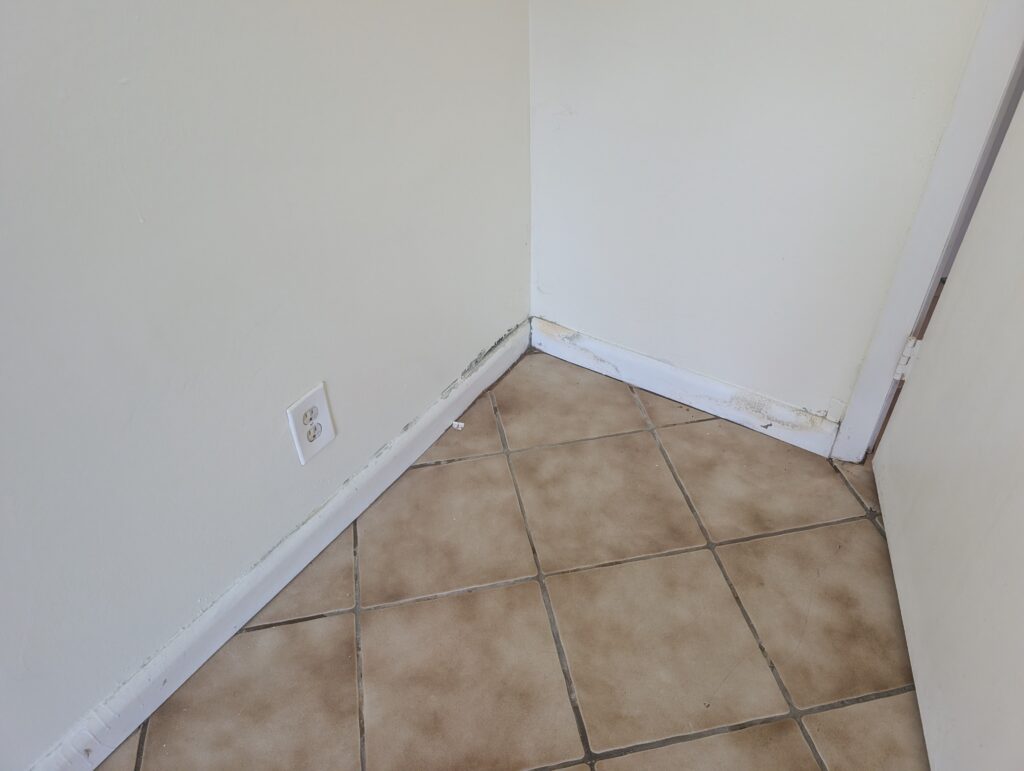
You might notice:
- A light musty smell that comes and goes
- Slight staining or shadowing on walls or ceilings
- Paint or drywall that looks slightly uneven or swollen
- Flooring that feels soft, lifted, or different underfoot
- Baseboards separating from the wall or warping
- Areas that feel humid or “off” compared to the rest of the home
In many North Palm Beach homes, these signs are tied to moisture sitting inside wall cavities or under flooring for extended periods. The longer it stays there, the more it spreads into surrounding materials.
If ignored, this turns into deeper structural damage, microbial growth, and a much larger repair scope.
WHAT TO DO IMMEDIATELY AFTER WATER DAMAGE IN DELRAY BEACH
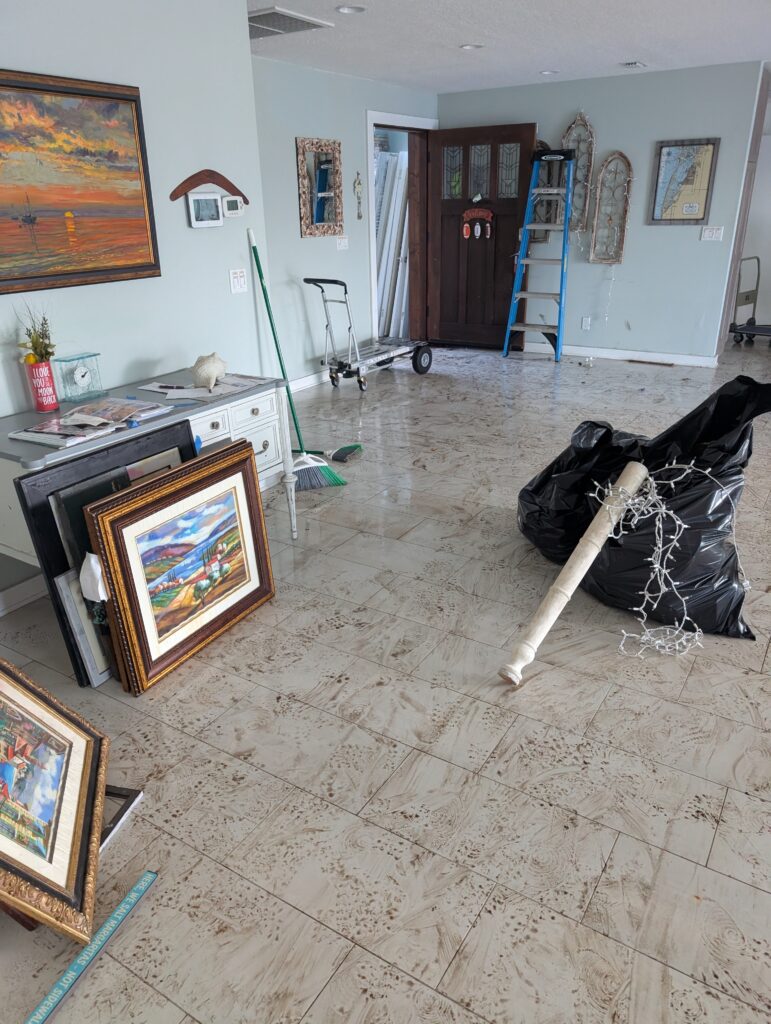
Once water enters a property in Delray Beach, the focus is stopping it from spreading. Because of the coastal humidity, materials don’t dry quickly on their own—so even a short delay can make the situation worse.
Acting early helps contain the damage and keeps the job from turning into something much bigger.
Here’s what to do right away:
- Shut off the water source if possible
- Turn off electricity in affected areas if it is safe
- Remove furniture and contents from wet areas
- Avoid using household fans or AC to dry the space
- Contact a professional water damage restoration company immediately
WHAT TO DO IMMEDIATELY AFTER WATER DAMAGE IN NORTH PALM BEACH
If you think water may be present, the priority is simple – limit how far it can spread and avoid making it worse.
You don’t need to handle the restoration yourself. Just take a few basic steps and then bring in a professional.
Here are the most important steps to take as a homeowner:
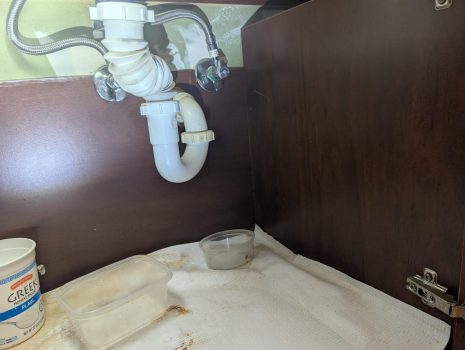
1. Shut Off the Water Source
If the issue is coming from inside the home, stop the flow immediately. The longer water runs, the more it travels into walls and under flooring.
2. Stay Off Affected Areas
Walking on wet flooring can push moisture deeper into subfloors and padding, especially in older homes where materials are layered.
3. Move Small and Valuable Items
Take electronics, rugs, and personal items out of the area. This prevents secondary damage and clears space for inspection.
4.Do Not Open Walls or Materials
It may seem helpful, but removing drywall or flooring without proper containment can spread contamination and make the situation worse.
5. Call a Professional Right Away
Hidden moisture is the main risk in North Palm Beach homes. A professional can locate what you can’t see and stop it before it spreads further.
Older homes in North Palm Beach allow moisture to move behind surfaces quickly. What looks minor can already be inside walls or under floors, so the goal is to prevent disturbance until it’s properly inspected.
At this stage, the most important step is getting a professional out to locate hidden moisture and stop the spread.
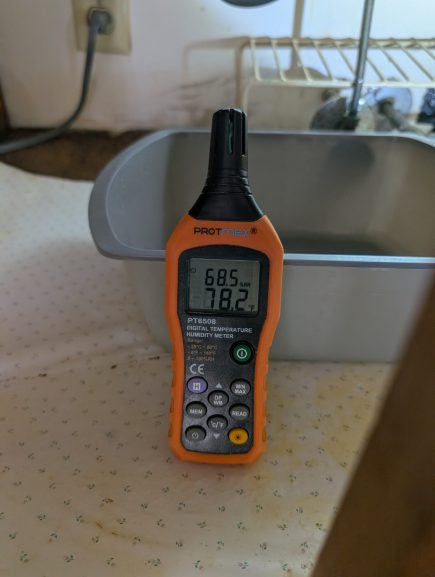
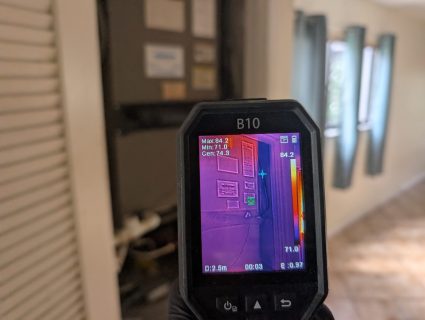
What Our Water Damage Service Includes
A lot of situations in North Palm Beach start small, but once we begin inspecting, the moisture has already moved beyond what’s visible.
For example, a light stain on a wall may lead to moisture behind the drywall, along the base plate, and into nearby rooms. In older homes, it’s common for water to travel through hidden pathways before anyone realizes it.
We focus on tracking that movement early.
We locate the source, stop the spread, and handle full water damage restoration before it turns into a bigger issue.
Our service typically includes:
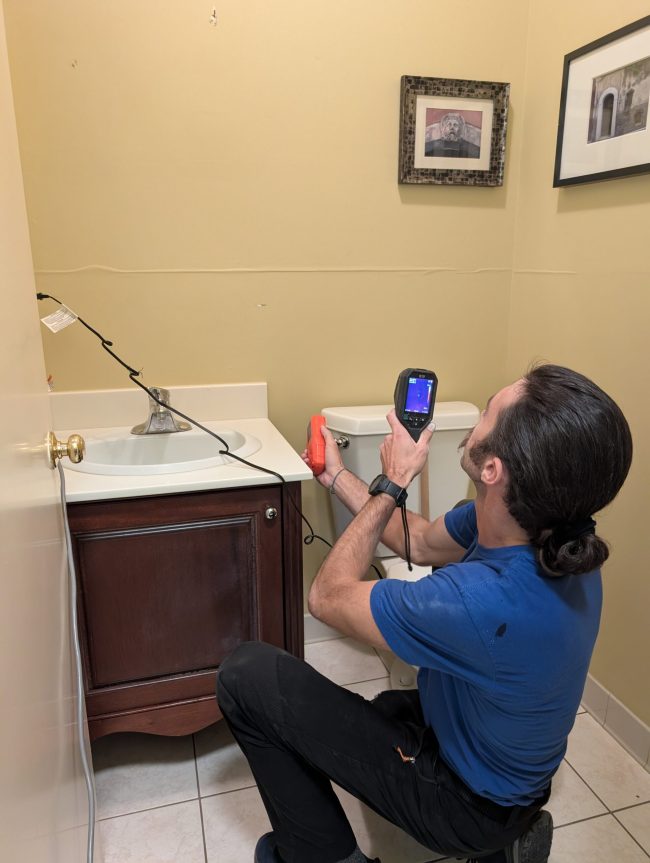
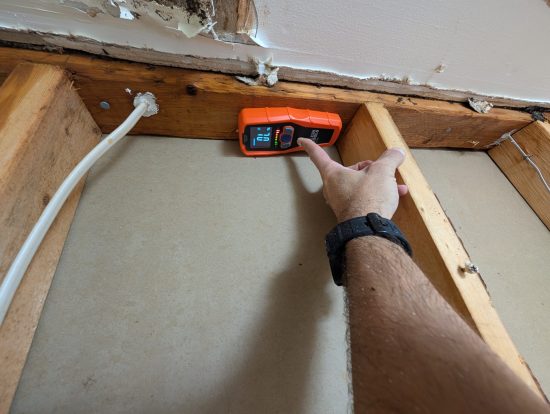
- Detailed moisture inspection, including concealed areas
- Identifying and stopping the source of intrusion
- Water removal from affected materials
- Structural drying targeting hidden moisture pockets
- Monitoring to ensure proper dry-out is achieved
- Controlled removal of unsalvageable materials
- Cleaning and treatment to reduce further risk
- Preparation for repairs once everything is dry
In North Palm Beach homes, water rarely stays where it started. If it’s not handled correctly, it continues moving through the structure and creates a much larger problem.
If mold growth is suspected after water damage, our Mold Remediation services can help safely remove contamination and restore affected areas.
COMMON CAUSES OF WATER DAMAGE IN NORTH PALM BEACH
Water damage in North Palm Beach often isn’t caused by one obvious event. In older homes, it’s usually the result of slow intrusion that goes unnoticed until it has already spread.
These are the most common causes we see:
Slow leaks behind walls
Small supply line or drain leaks can run for days or weeks inside walls before showing any visible signs.
Aging plumbing connections
Older fittings and valves can loosen or degrade over time, allowing water to escape in areas you can’t see.
Window and door frame intrusion
Seals break down over time, letting water work its way into framing and wall cavities during rain.
Appliance fAILURES
Water heaters, dishwashers, and washing machines can leak slowly underneath, affecting subfloors before detection.
Roof seepage traveling downward
Even minor entry points can allow water to move through ceilings and into walls without immediate visibility.
HVAC and condensation issues
Drain line clogs or excess condensation can introduce moisture into hidden areas over time.
In North Palm Beach homes, these issues often go unnoticed because the water is not immediately visible. By the time it shows, it has usually spread into multiple materials and areas.
Restoration Process for Hidden Water Damage in North Palm Beach Homes
In North Palm Beach, we’re usually not starting at the beginning of the problem—we’re stepping in after water has already worked its way into areas you can’t see. The process here is built around uncovering that movement and drying the structure from the inside out.
Here’s how we handle it:
1.
2.
3.
4.
5.
Inspection
Water Extraction
Drying Setup
Monitoring
Dry Standard
We map out where moisture has spread beyond the original source. That means scanning wall interiors, checking beneath finished flooring, and identifying areas that feel normal but are holding moisture internally.
Surface water and saturated materials are addressed first. Removing that load early helps prevent continued migration into surrounding layers and structural components.
Air movement and dehumidification are positioned based on how the structure is built – not just where the damage is visible. In older homes, this often involves directing airflow into contained areas and targeting trapped moisture zones.
Conditions are checked consistently to confirm moisture is actually being pulled out of the structure. If readings stall or shift, adjustments are made to keep progress moving.
We verify that materials have returned to acceptable moisture levels before considering the job complete. This step ensures nothing is left behind inside walls or subflooring that could cause problems later.
In North Palm Beach homes, incomplete drying usually isn’t obvious right away – but it shows up later. Following the full process is what prevents that.
Equipment Used for Hidden Water Damage Restoration
In North Palm Beach homes, the issue isn’t a lack of equipment – it’s getting that equipment to affect areas you can’t see. Older layouts, layered materials, and tight cavities make standard placement ineffective if it’s not adjusted correctly.
We use equipment in a way that targets concealed moisture, not just open space.
Here’s how it’s applied on a typical job:
Air Movers (Directed Airflow)
Instead of just blowing across a room, airflow is aimed along walls, beneath cabinetry lines, and across flooring transitions where moisture tends to collect out of sight.
Low-Grain Refrigerant Dehumidifiers
These pull moisture out of the air continuously so materials can release what they’re holding. In older homes, this is critical because trapped moisture doesn’t evaporate easily on its own.
Cavity Drying Systems
When water gets inside walls or under floors, we use targeted systems to pull or push air through those enclosed spaces without opening everything up.
Moisture Detection Tools
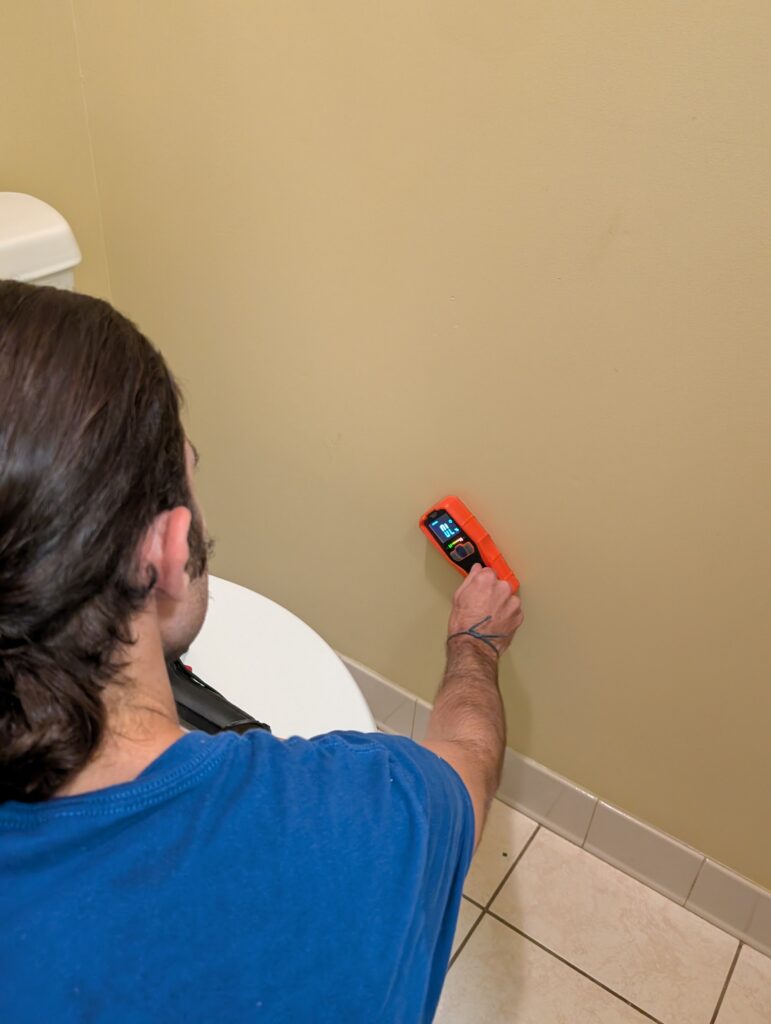
We rely on meters to confirm what materials are holding moisture internally. This is how we find areas that look fine but are still affected.
Thermal Imaging
Used as a guide to identify unusual patterns that suggest hidden moisture movement, especially across ceilings and behind wall sections.
Containment and Air Control (when needed)
If materials have been affected long enough, we control airflow to prevent particles from spreading during the drying process.
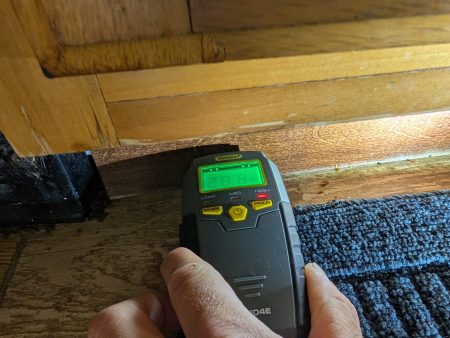
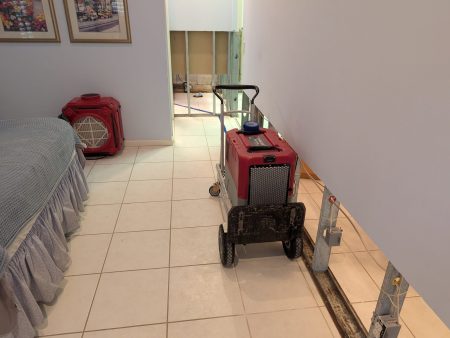
In North Palm Beach, success isn’t about how much equipment is on site – it’s about how precisely it’s used to reach moisture that never made it to the surface.
Why Proper Drying Matters in North Palm Beach
A lot of the issues we see here come from jobs that looked dry on the surface but weren’t actually dry inside.
For example, a floor may feel normal again, and the wall looks fine. But underneath, moisture is still sitting in the subfloor or inside the wall cavity. A few weeks later, the odor shows up or materials start to shift.
That happens because the drying didn’t reach where the water actually went.
In North Palm Beach homes, this is common due to:
- Layered flooring systems
- Older wall construction
- Tight spaces where air doesn’t naturally circulate
If drying isn’t completed properly:
- Moisture stays trapped inside materials
- Damage continues slowly behind the scenes
- Microbial growth can begin or return
- Repairs fail because the structure was never fully dry
Proper drying is what separates a temporary fix from a complete solution. It’s not about how fast things look normal – it’s about making sure moisture is fully removed from the structure.
Water Damage Repairs & Build-Back
A homeowner calls thinking it’s just a small leak under the sink. After drying, it turns out water ran behind the cabinets, into the wall, and under the flooring. The drying process handles the moisture – but anything that was damaged still needs to be put back together correctly.
That’s where repairs and build-back come in.
Here’s what typical repairs may include:
Drywall replacement and finishing
Any sections that were opened or damaged are replaced, patched, and blended back in.
Cabinet repairs or replacement
Swollen or delaminated cabinets often can’t be restored and need to be rebuilt or replaced.
Baseboard and trim work
These materials absorb water quickly and are usually replaced to match the existing finish.
Flooring repairs
Depending on the material, sections may be repaired or replaced if warping or separation occurred.
Paint and final finishing
Surfaces are brought back to a clean, finished condition so the space looks like it did before the loss.
Drywall and Material Replacement
Damaged sections are removed and rebuilt once the structure is confirmed dry. This ensures new materials aren’t installed over hidden moisture.
Wall and Ceiling Repairs
Areas affected behind the surface are corrected so the finished structure is stable and consistent throughout.
Flooring Restoration
Subfloor and surface materials are addressed based on how far moisture traveled beneath the visible layer.
Texture and Finish Matching
Repairs are blended into surrounding areas so the work doesn’t stand out once completed.
Surface Prep and Sealing
All repaired areas are properly sealed and prepared before final finishes are applied.
Painting and Final Touches
The space is returned to a clean, finished condition once all underlying issues have been resolved.
- Drywall Repair After Water Damage
- Baseboard Replacement
- Cabinet Removal & Replacement
- Flooring Replacement
- Subfloor Repair
- Insulation Replacement
- Interior Wall Reconstruction
- Painting After Water Damage
Example Mold Remediation Project
Before, During, and After
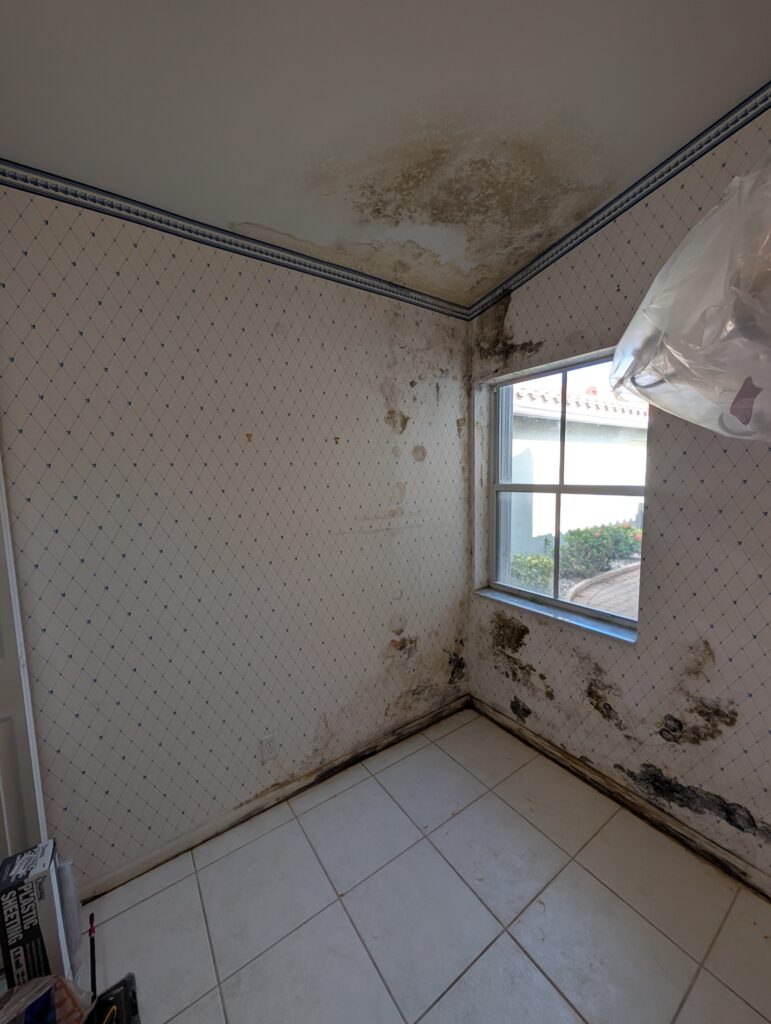
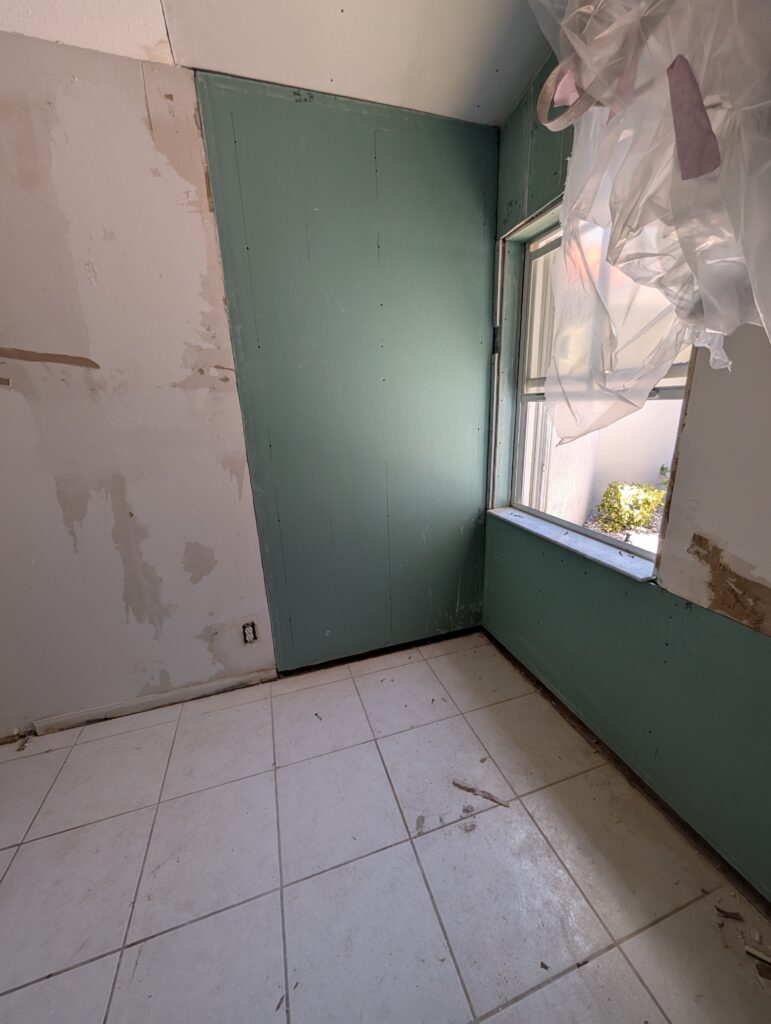
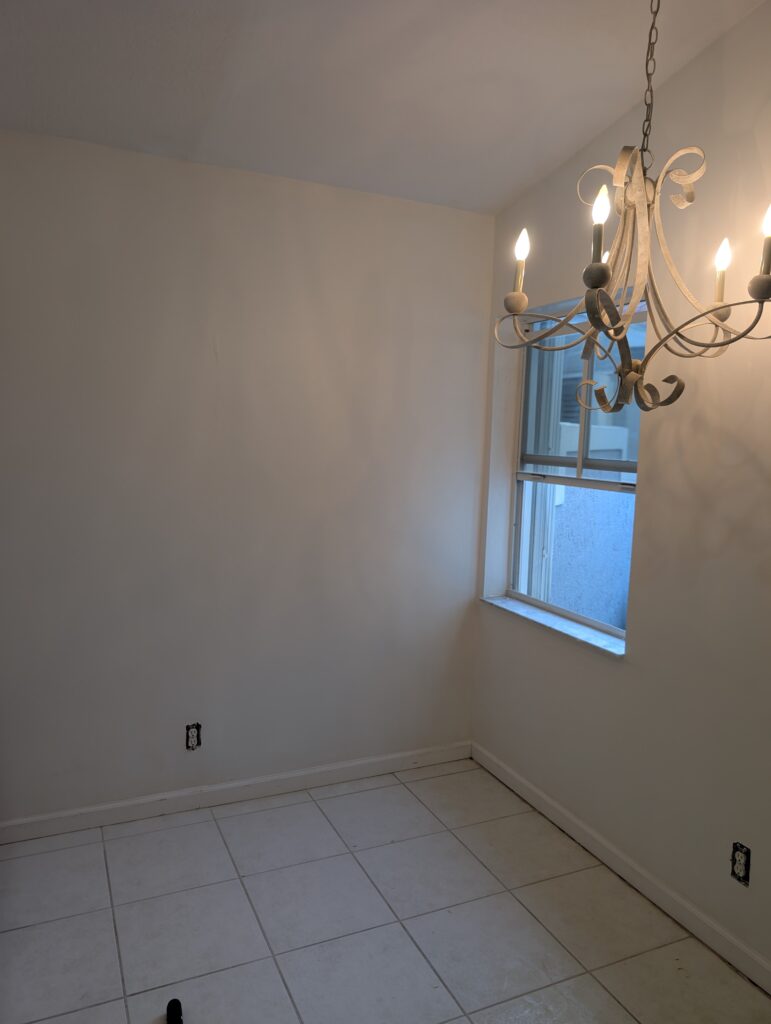
In many North Palm Beach homes, repairs also involve uncovering small areas that didn’t seem affected at first but were holding moisture behind them. That’s why this phase is tied closely to the drying process.
If everything underneath isn’t properly addressed, the finished work may look good initially but won’t hold up over time.

Why Homeowners in North Palm Beach Choose Us
In North Palm Beach, the challenge isn’t just water damage – it’s how long it can sit unnoticed. Homes here often have older layouts and materials that allow moisture to move quietly before anything shows.
That’s where most restoration work either gets done right – or missed entirely.
Here’s What Makes Us Different:
- Focused on What You Can’t See
We approach every job assuming moisture has already traveled beyond the visible area. That means checking inside walls, under flooring, and along structural paths where water tends to settle. - Built Around Older Construction
Many North Palm Beach homes weren’t designed with modern moisture barriers. We adjust our approach based on how these homes are built, not just where the damage appears. - No “Surface-Level” Drying
We don’t rely on how things look or feel. Materials are checked and confirmed dry internally before moving forward. - Targeted, Not Overdone
We focus on the affected areas without tearing apart parts of the home that don’t need it. The goal is accurate work, not unnecessary demolition. - Clear Direction From Start to Finish
You’ll understand what’s been found, how far it spread, and what’s being done to fix it. No guessing, no vague answers.
In North Palm Beach homes, missing hidden moisture is what leads to repeat issues. Getting it right the first time is what prevents that.
Fast response when it matters
The sooner water is addressed, the less it spreads and the less damage you deal with.
Thorough moisture tracking
We don’t guess. Moisture is mapped out so affected areas are actually identified, not assumed.
Drying done correctly
Equipment is set with purpose and monitored until materials reach a dry standard.
Clean, controlled work areas
Jobs are handled in a way that limits disruption and keeps the rest of the home protected.
Straightforward communication
You know what’s happening, why it’s being done, and what to expect next.
Documentation that supports the job
Photos, readings, and records are kept throughout the process, especially when insurance is involved.
Water Damage Restoration Service Area
We provide water damage restoration throughout North Palm Beach and surrounding areas in Palm Beach County. Whether the issue is visible or hidden inside the structure, we respond quickly to assess and handle the damage before it spreads further.
Nearby areas we commonly service include:
- Royal Palm Beach
- Palm Beach
- Wellington
- Lantana
- Lake Clarke Shores
- South Palm Beach
- Tequesta
- Juno Beach
- Singer Island
- Haverhill
- Riviera Beach
- Palm Springs
- Hypoluxo
- Atlantis
- Manalapan
- Ocean Ridge
- West Palm Beach
- Delray Beach
- Boynton Beach
- Lake Worth
- Jupiter
- North Palm Beach
- Greenacres
If you’re unsure whether you’re within range, reach out. If you’re in or near North Palm Beach, we can typically respond without delay.
Frequently Asked Questions - North Palm Beach Water Damage
How do I know if water damage is hidden in my walls?
In North Palm Beach homes, hidden water damage rarely shows up right away. You may notice a faint odor, slight discoloration, or a wall that feels different when touched. These are early indicators that moisture may be sitting inside the wall cavity. The only reliable way to confirm is with professional moisture detection tools that measure inside the material, not just the surface.
Is it possible for water damage to spread without being visible?
Yes, and this is one of the most common scenarios in older homes. Water can travel along framing, behind baseboards, and beneath flooring without creating obvious signs. By the time something becomes visible, the affected area is usually much larger than expected.
Why does my floor feel slightly soft but look fine?
That typically means moisture has reached the subfloor. In many North Palm Beach homes, flooring is installed over layered materials that can absorb water and weaken over time. Even if the surface looks intact, the structure underneath may already be compromised.
Can a small leak really cause major damage over time?
Yes. Slow leaks are often more damaging than sudden ones because they go unnoticed. A small drip inside a wall can continue for days or weeks, allowing moisture to build and spread into surrounding materials. Over time, this leads to structural weakening and a much larger repair scope.
How long can water sit inside a wall before it becomes a problem?
Water can begin affecting materials almost immediately, but the real issue is how long it goes unnoticed. In North Palm Beach homes, it’s common for moisture to sit inside walls for extended periods before any visible signs appear. During that time, it continues spreading and affecting more areas.
Will my home need demolition if water damage is hidden?
Not always. In some cases, we can dry inside wall cavities or beneath flooring using targeted drying methods. However, if materials have absorbed too much moisture or begun to break down, selective removal may be necessary to properly resolve the issue.
Why does water damage keep coming back in the same area?
This usually means the root cause was never fully corrected or the structure wasn’t completely dried. Moisture left behind inside materials will continue to spread and eventually show up again, often worse than before.
Can I dry hidden moisture myself with fans or AC?
No. Household fans and AC systems are designed for comfort, not structural drying. They don’t have the capacity to remove moisture from inside walls or subfloors. In some cases, they can actually push moisture deeper into materials, making the problem worse.
What happens if hidden moisture is left untreated?
It continues to spread through the structure, weakening materials and creating conditions for microbial growth. In North Palm Beach homes, this often develops behind walls or under flooring where it goes unnoticed. If it progresses, the situation may require professional mold remediation in addition to water damage restoration.
Is this more common in older homes like the ones in North Palm Beach?
Yes. Many homes in this area have older construction methods that allow moisture to move more freely through materials. Without modern moisture barriers, water can travel further and remain hidden longer before being detected.
How quickly should I act if I suspect hidden water damage?
As soon as possible. The earlier the issue is identified, the easier it is to contain. Waiting allows moisture to spread deeper into the structure, increasing both the scope of work and the cost of repairs.
Get Help With Water Damage in North Palm Beach Today
If something feels off in your home, it’s worth getting it checked. In North Palm Beach, water damage often sits behind walls or under floors long before it shows itself.
What looks minor now can already be affecting more than you realize.
We focus on locating hidden moisture, stopping the source, and drying the structure properly so the problem doesn’t come back.
If needed, we also coordinate full water damage restoration from start to finish.
Depending on the situation, that may include:
- Plumbers to locate and repair the source of leaks
- Roofers for storm or roof-related water intrusion
- HVAC technicians when moisture impacts ductwork or airflow systems
- Mold assessors for independent testing and clearance
- Public adjusters to help navigate insurance claims
- Contractors for repairs and rebuild after mitigation
Call now or fill out the form to get a fast response. The sooner it’s addressed, the more we can prevent. If this is an emergency, please call for faster service.
Contact Maxim Mitigation for professional water damage restoration services
Related Water Damage and Mold Restoration Services
Core Services
- Water Damage Restoration
- Mold Remediation
- Storm Damage Cleanup
- Flood Damage Cleanup
- Structural Drying
- Emergency Water Extraction
Water Damage Repairs & Build-Back
- Leak Detection & Moisture Mapping
- Sewage Cleanup
Additional Restoration Services
- Drywall Repair After Water Damage
- Baseboard Replacement
- Cabinet Removal & Replacement
- Flooring Removal & Replacement
- Subfloor Repair
- Insulation Replacement
- Interior Wall Reconstruction
- Painting After Water Damage