MOLD REMEDIATION IN PALM BEACH COUNTY
Mold remediation Palm Beach County properties require a precise and controlled approach due to the region’s humidity and moisture conditions. At Maxim Mitigation, we specialize in identifying, containing, and removing mold at the source to protect your property and indoor air quality.

SIGNS YOU MAY NEED MOLD REMEDIATION
Mold is not always immediately visible. It can grow behind walls, under flooring, and inside HVAC systems, where moisture is present. Identifying the early signs of mold can help prevent further damage and potential health concerns.
- Musty or damp odors that do not go away
- Visible mold growth on walls, ceilings, or baseboards
- Peeling paint, warped materials, or soft drywall
- Recent water damage, leaks, or elevated indoor humidity
- Allergy-like symptoms that seem worse indoors
If you notice any of these signs, professional mold remediation can help safely remove contamination and prevent it from spreading further.
WHAT TO DO IF YOU FIND MOLD IN YOUR HOME
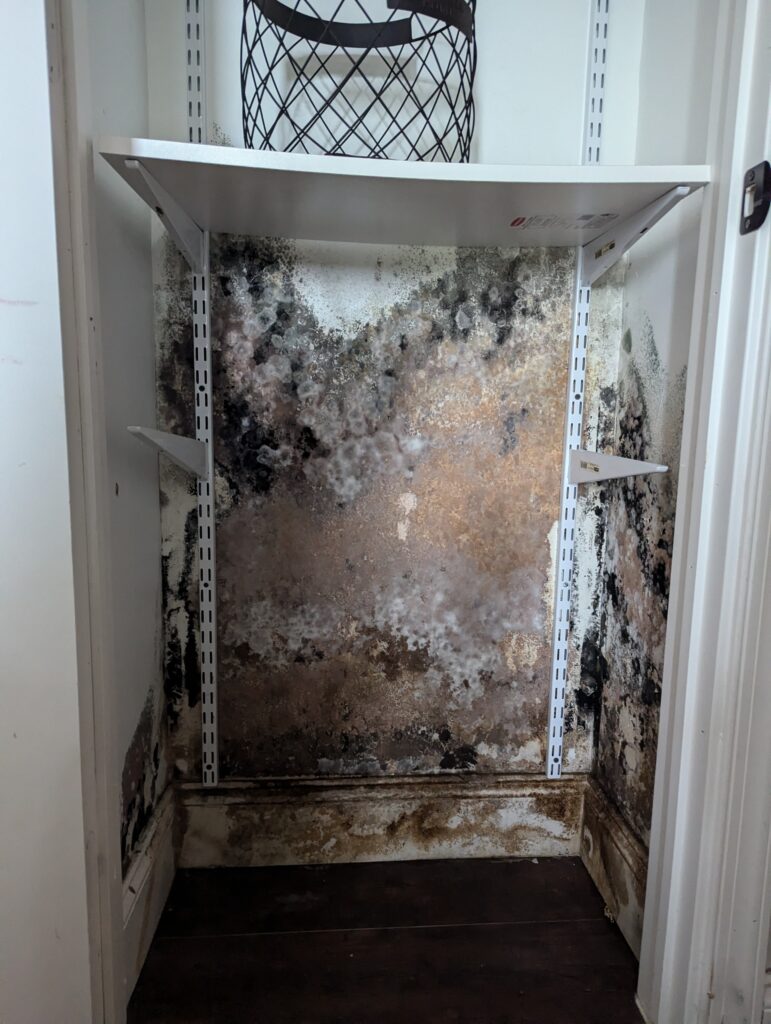
If mold is discovered in your home or business, taking the right steps early can help reduce exposure and limit additional damage. Mold spores can easily become airborne, and disturbing contaminated materials can spread contamination.
• Avoid touching or disturbing the affected area
• Do not attempt to clean large or contaminated areas yourself
• Turn off HVAC systems if mold is spreading inside ducts
• Limit airflow and movement near the contaminated area
• Avoid using fans, which can spread spores
• Contact a professional mold remediation company for proper assessment and removal
WHAT OUR MOLD REMEDIATION SERVICE INCLUDES
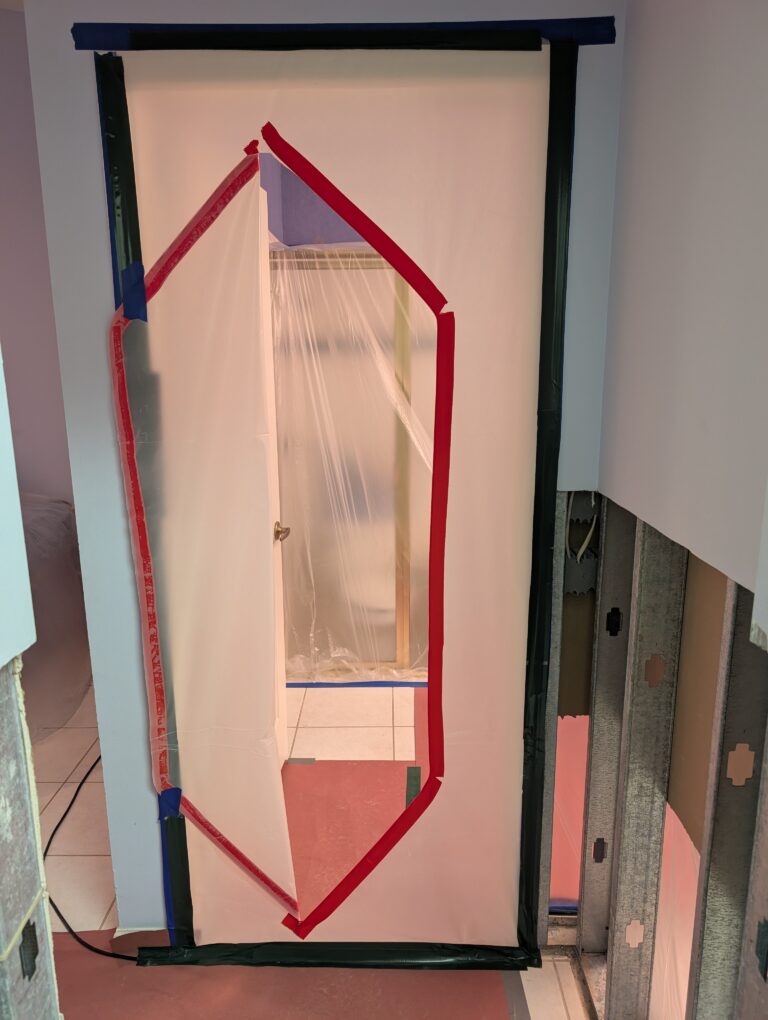
Our mold remediation process is designed to safely contain, remove, and clean mold contamination while also addressing the moisture source that contributed to the problem. We follow industry-informed procedures to remove contaminated materials and reduce the risk of recurrence.
• Containment setup
Isolation of affected areas using plastic barriers and negative air pressure
• HEPA air filtration
Air scrubbers used to capture airborne mold spores
• Removal of contaminated materials
Safe demolition and disposal of mold-damaged drywall, insulation, and other materials
• Surface cleaning and detailed treatment
Cleaning of remaining structural components using professional-grade methods
• Moisture source identification
Finding and addressing hidden moisture or leak issues
• Post-remediation preparation
Preparation of the structure for drying and rebuilding
If mold growth is suspected after water damage, our mold remediation services can help safely remove contamination and restore affected areas.
COMMON CAUSES OF MOLD GROWTH IN HOMES
Mold growth is typically caused by excess moisture that remains trapped in building materials. In South Florida homes and businesses, mold often develops after water damage, leaks, or ongoing humidity issues. Identifying the source of moisture is critical to preventing mold from returning after remediation.
- Hidden Plumbing Leaks
Slow leaks behind walls, under sinks, or inside cabinets can go unnoticed and create long-term moisture buildup where mold can develop. - HVAC Condensation Issues
Air conditioning systems can produce excess condensation, especially in humid environments, leading to moisture accumulation inside ceilings, ducts, or wall cavities. - AC Drain Line Blockages
Clogged condensate lines can cause water to overflow into surrounding materials, creating damp conditions that support mold growth.
- Roof Leaks & Attic Moisture
Roof damage or small leaks can allow moisture to enter attic spaces and insulation, where mold can grow undetected over time. - High Indoor Humidity
Consistently high humidity levels, common in South Florida, can allow mold to grow even without a visible leak—especially in poorly ventilated areas. - Trapped Moisture in Materials
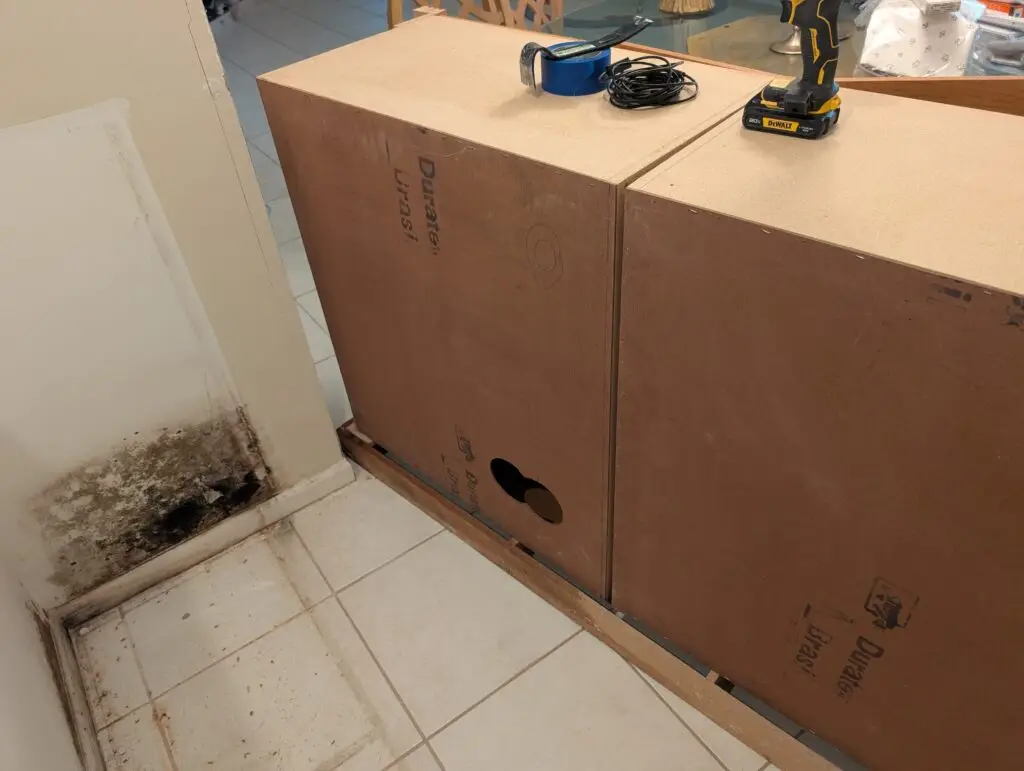
Water can become trapped inside drywall, flooring, or insulation after leaks or flooding, creating ideal conditions for mold growth if not properly dried.
Our mold remediation process
1.
2.
3.
4.
5.
Inspection & Assessment
Containment Setup
Air Filtration
Mold Removal & Cleaning
Final Cleaning & Clearance Preparation
We identify visible mold growth, moisture sources, and materials that may need to be removed or professionally cleaned.
Containment barriers and HEPA filtration are set up to help prevent spores from spreading during the remediation process.
HEPA air scrubbers are used to remove airborne particles while remediation work is taking place.
Contaminated materials are removed, and remaining surfaces are cleaned and treated.
The area is prepared for post-remediation verification and rebuilding.
PROFESSIONAL MOLD
REMEDIATION EQUIPMENT
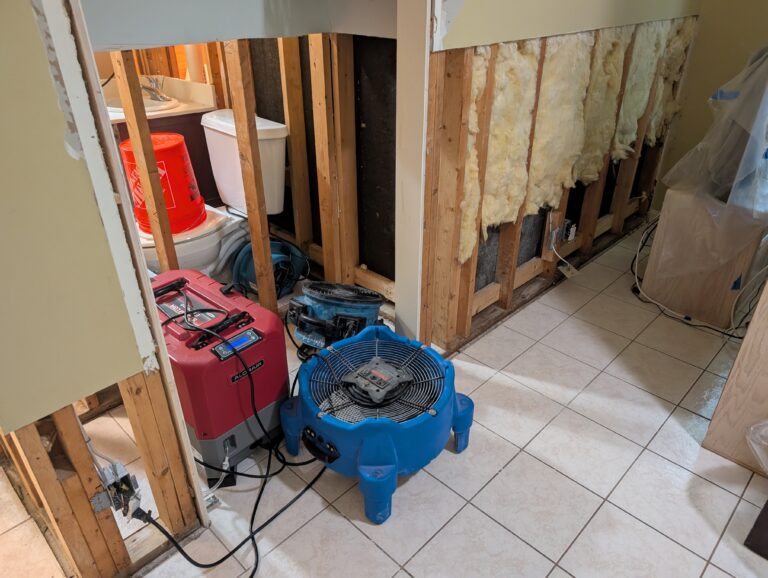
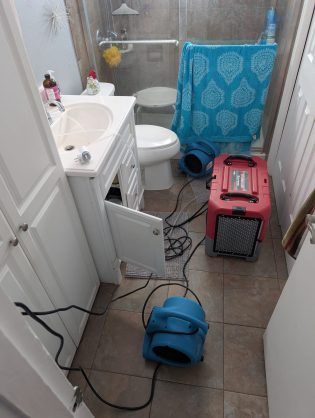
Proper mold remediation requires more than surface cleaning. We use professional-grade remediation equipment to help capture airborne particles, control contamination, and support moisture management before rebuilding begins.
- HEPA air scrubbers for airborne spore capture
- Negative air machines for mold control
- HEPA vacuums for surface cleaning
- Containment materials and zipper door systems
Mold damage repairs & build-back
After mold remediation is complete, repaired or replaced materials may need to be installed to restore the area. We help clients move from remediation into repair work so affected spaces can be returned to a clean, usable condition.
- Drywall Replacement
- Baseboard and trim installation
- Flooring repair
- Cabinet repair or replacement
- Painting and finish restoration
- Insulation Replacement
- Interior Wall Reconstruction
- Minor structural repair where needed
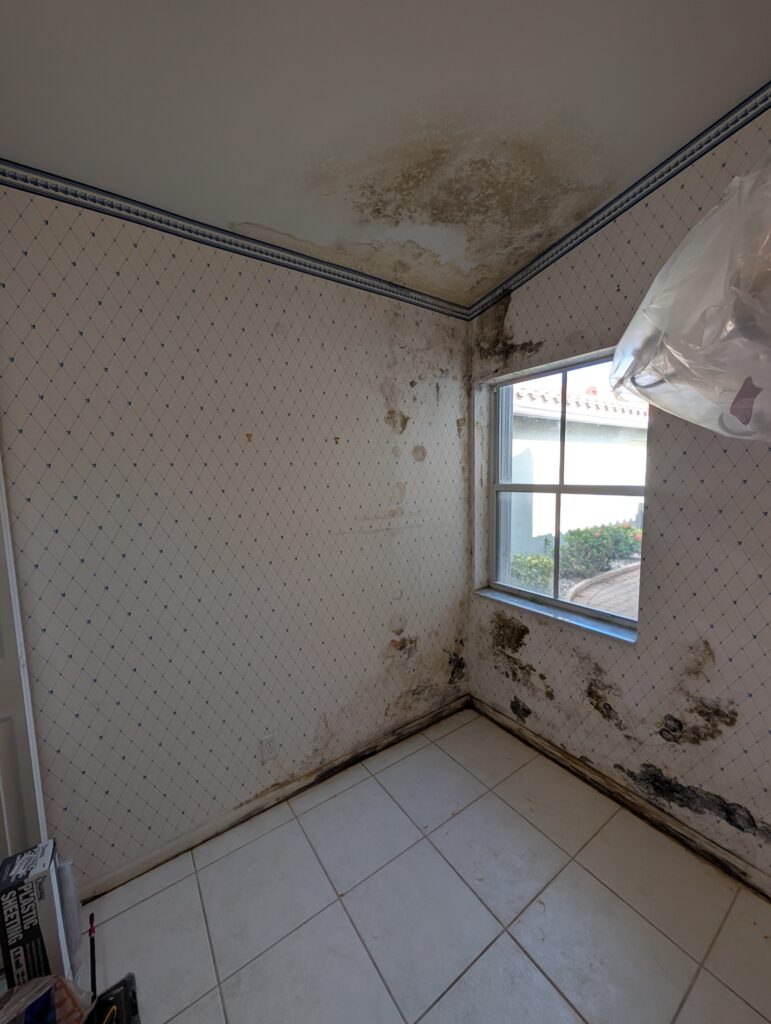
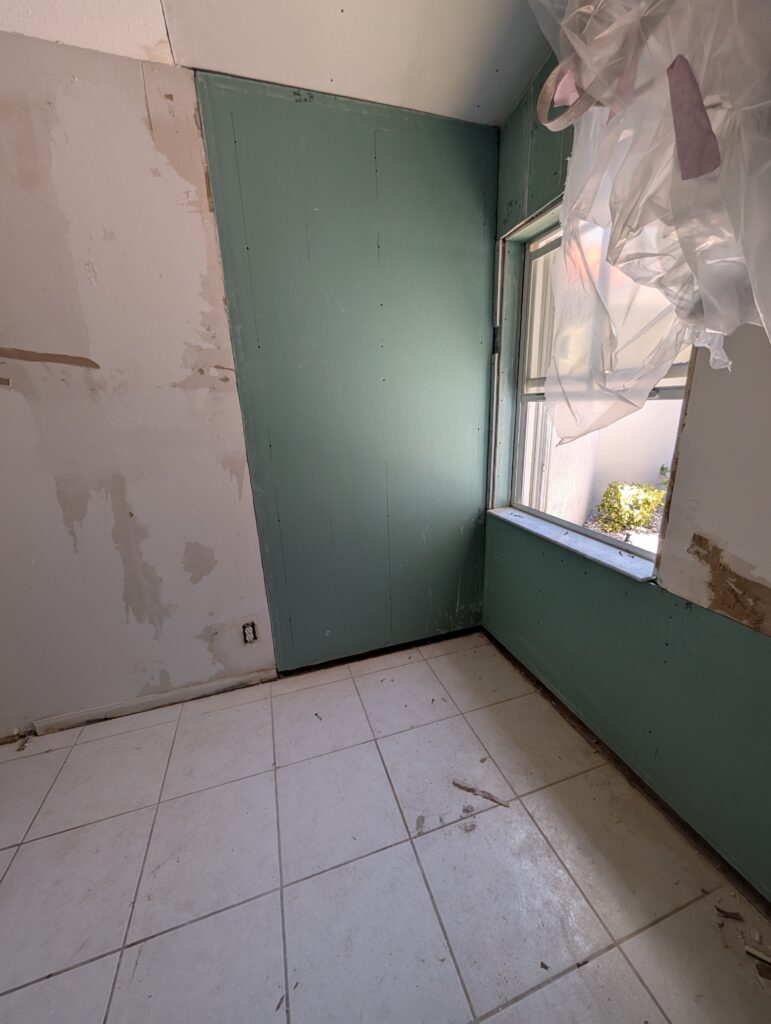
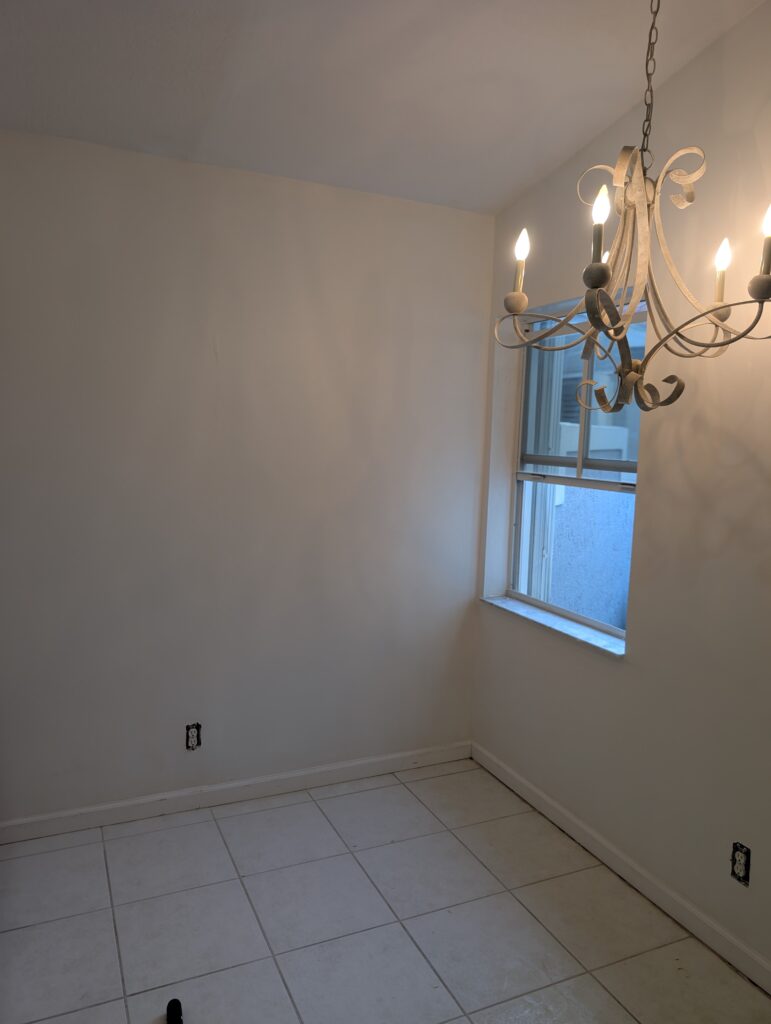
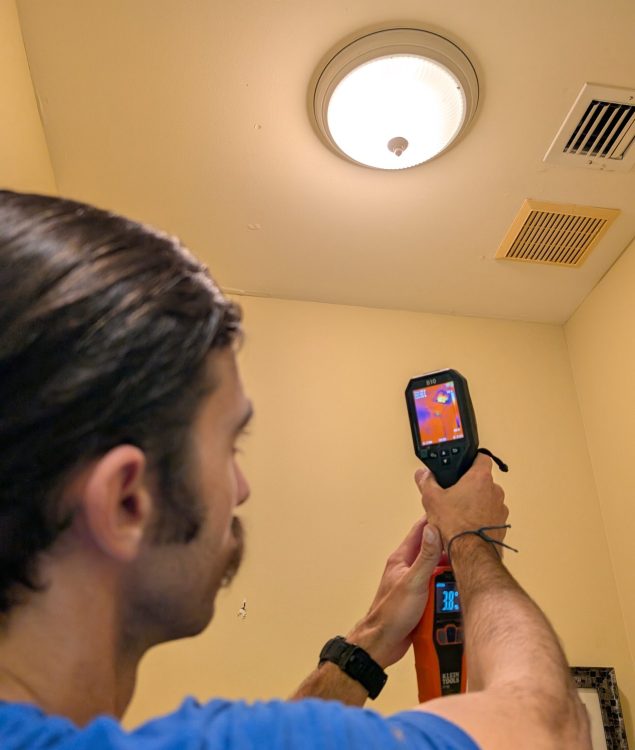
Example Mold Remediation Project
Before, During, and After
Why Homeowners Choose Maxim Mitigation
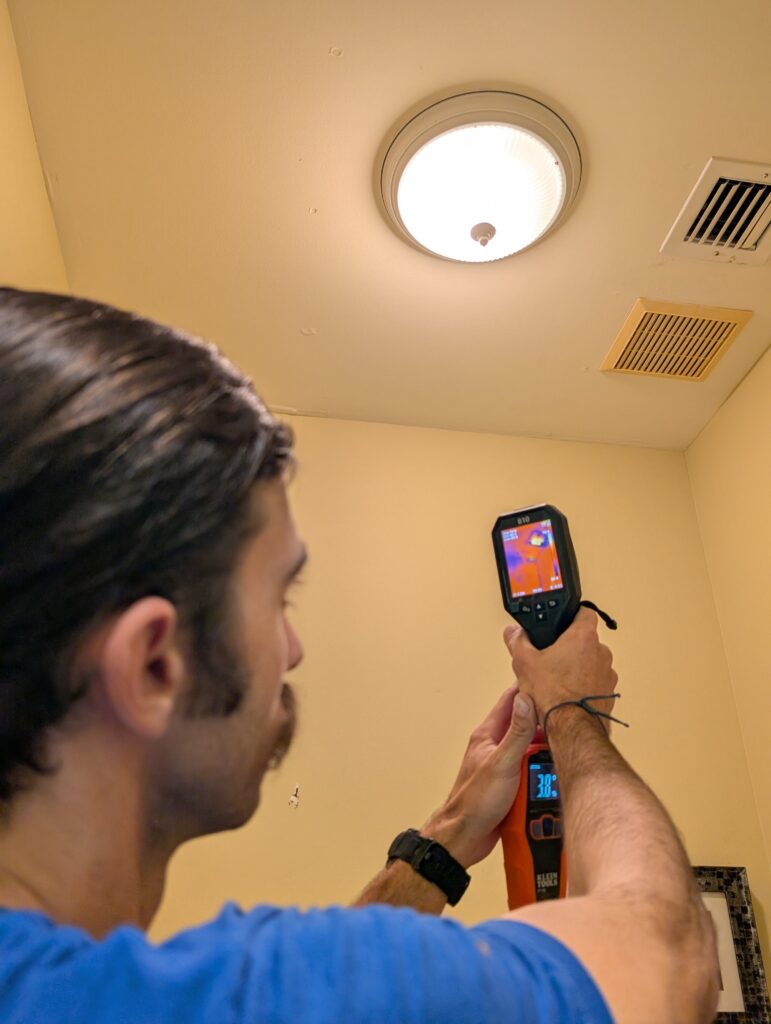
Choosing the right mold remediation company is critical to ensuring the problem is handled safely and thoroughly. Maxim Mitigation focuses on proper containment, detailed cleaning, and clear communication so clients know every project is completed correctly from start to finish.
- Fast response for mold remediation needs
- Proper containment to prevent cross-contamination
- Professional equipment and remediation techniques
- HEPA filtration and negative air systems
- Clear communication throughout the process
- Detailed documentation for insurance when needed
- Responsive service for homeowners, property managers, and realtors
- Locally owned and operated in Palm Beach County
- Moisture remediation designed to limit unnecessary demolition
- Photos and project documentation available
- Fast response for mold remediation needs
- Proper containment to prevent cross-contamination
- Professional equipment and remediation techniques
- HEPA filtration and negative air systems
- Clear communication throughout the process
- Detailed documentation for insurance when needed
- Responsive service for homeowners, property managers, and realtors
- Locally owned and operated in Palm Beach County
- Moisture remediation designed to limit unnecessary demolition
- Photos and project documentation available
MOLD REMEDIATION IN PALM BEACH COUNTY
Mold remediation services and moisture-related concerns are common in Palm Beach County due to humidity, storm exposure, plumbing leaks, roof leaks, and water damage. Our team responds quickly to evaluate mold issues and remove contaminated materials where necessary.
Maxim Mitigation provides professional mold remediation services throughout Palm Beach County. We serve property owners in homes and businesses across the area.
- West Palm Beach
- Lake Worth
- Boynton Beach
- Delray Beach
- Palm Beach Gardens
- Jupiter
- North Palm Beach
- Greenacres
- Singer Island
- Haverhill
- Riviera Beach
- Palm Springs
- Hypoluxo
- Atlantis
- Manalapan
- Ocean Ridge
- Royal Palm Beach
- Palm Beach
- Wellington
- Lantana
- Lake Clarke Shores
- South Palm Beach
- Tequesta
- Juno Beach
Mold Remediation FAQs
What is involved in mold remediation?
Mold remediation involves safely removing mold contamination and addressing the moisture source that caused it. The process is designed to prevent further spread and reduce the chance of it returning.
Includes:
- Containment to isolate affected areas
- HEPA air filtration to capture airborne spores
- Removal of contaminated materials
- Detailed cleaning of structural surfaces
- Moisture detection and correction
Can I remove mold myself?
Small surface-level mold can sometimes be cleaned, but larger or hidden contamination should be handled by professionals. Improper cleaning can spread spores and make the problem worse.
Important considerations:
- Mold often exists behind walls or under flooring
- Disturbing it can spread contamination
- Household cleaners do not fully remediate mold
- Professional containment helps prevent cross-contamination
How long does mold remediation take?
Most mold remediation projects take 1–5 days, depending on the size of the affected area and the level of contamination.
Factors that affect timeline:
- Size of the impacted area
- Type of materials affected
- Extent of moisture damage
- Whether demolition is required
- Drying and preparation time
Is mold dangerous to my health?
Mold exposure can affect indoor air quality and may cause irritation, especially for individuals with allergies, asthma, or sensitivities.
Common effects:
- Respiratory irritation
- Allergy-like symptoms
- Headaches or sinus congestion
- Worsening of asthma symptoms
Will mold come back after remediation?
Mold can return if the underlying moisture problem is not corrected. Proper remediation includes identifying and addressing the moisture source to reduce the chance of recurrence.
Prevention depends on:
- Eliminating leaks or water intrusion
- Controlling humidity levels
- Proper ventilation
- Thorough removal of contaminated materials
Do I need to leave my home during remediation?
In many cases, you can remain in the home, but it depends on the size of the affected area and containment setup.
Situations where temporary relocation may be recommended:
- Large-scale remediation projects
- Sensitive individuals (allergies, asthma)
- Work areas affecting living spaces
- Limited ability to isolate the area
What causes mold growth in homes?
Mold growth is caused by excess moisture that remains trapped in building materials.
Common causes include:
- Roof leaks or storm damage
- Plumbing leaks
- HVAC condensation issues
- High indoor humidity
- Flooding or water intrusion
- Poor ventilation
Does insurance cover mold remediation?
Insurance coverage depends on the cause of the mold. Mold resulting from a covered water loss may be included, while long-term neglect or maintenance issues are typically not covered.
Coverage may depend on:
- Source of moisture (sudden vs long-term)
- Policy terms and limits
- Documentation of damage
- Timing of the claim
What is the difference between mold removal and remediation?
“Mold removal” refers to cleaning visible mold, while mold remediation is a more complete process that includes containment, removal of contaminated materials, and addressing moisture to prevent recurrence.
Key difference:
- Removal = surface cleaning
- Remediation = full problem correction
What is post-remediation verification (PRV)?
Post-remediation verification (PRV) is an inspection performed after remediation to confirm that the affected area has been properly cleaned and is ready for rebuilding.
Typically includes:
- Visual inspection of cleaned areas
- Air or surface testing (performed by a third party)
- Confirmation that contamination has been addressed
Mold remediation professionals in Palm Beach County
Mold remediation requires more than just surface cleaning. It requires proper containment, controlled removal, and a clear plan for addressing moisture sources so contamination does not return. Mold remediation professionals are trained to safely isolate affected areas, remove contaminated materials, and document the process when needed.
When contamination is extensive, negative air pressure systems and HEPA filtration help prevent cross-contamination during the remediation process. Every project is approached with a focus on safety, property protection, and thorough remediation from start to finish.
Our team works directly with homeowners, property managers, realtors, and other local professionals throughout Palm Beach County, providing clear communication, detailed documentation, and efficient project execution from start to finish.
- Certified and informed professional mold remediation practices
- Proper containment and negative air pressure systems
- HEPA air filtration and controlled air pathways
- Safe removal of contaminated materials
- Detailed cleaning and antimicrobial treatment
- Moisture source identification and prevention guidance
- Equipment monitoring and structured documentation
- Locally owned and serving Palm Beach County
- Focused on doing the job safely, not cutting corners
Need help with Mold Remediation?
Related Water Damage and Mold Restoration Services
Core Services
- Water Damage Restoration
- Mold Remediation
- Storm Damage Cleanup
- Flood Damage Cleanup
- Structural Drying
- Emergency Water Extraction
Water Damage Repairs & Build-Back
- Leak Detection & Moisture Mapping
- Sewage Cleanup
Additional Restoration Services
- Drywall Repair After Water Damage
- Baseboard Replacement
- Cabinet Removal & Replacement
- Flooring Removal & Replacement
- Subfloor Repair
- Insulation Replacement
- Interior Wall Reconstruction
- Painting After Water Damage