Water Damage Restoration in Lake Worth, FL
We provide water damage restoration in Lake Worth, FL with fast response for storm damage, flooding, and structural drying.
We see it all the time here:
A storm rolls through, the roof holds “just enough,” windows leak at the corners, and water starts working its way into walls, floors, and cabinetry. In older homes especially, once water gets in, it spreads quickly and sits longer than it should.
That’s where the real damage starts.
We focus on stopping that spread early – before it turns into a larger, more expensive problem.



SIGNS OF WATER DAMAGE LAKE WORTH HOMES
After a strong storm in Lake Worth, a house can look fine at first glance. No standing water, no obvious leak. But a day or two later, things start changing.
A homeowner might notice the floor feels slightly soft near a wall. Or there’s a faint stain that wasn’t there before. Sometimes it’s just a musty smell after the rain passes. What’s actually happening is water has already made its way inside—through a roof seam, window frame, or exterior wall—and is now spreading through materials.
In older homes especially, water doesn’t stay in one spot. It travels behind baseboards, under flooring, and into wall cavities where you can’t see it.
Here’s what we typically see after storms or heavy rain:
- Drywall swelling or soft spots
Water gets absorbed and expands the material, weakening it from the inside - Musty or damp odor that won’t go away
A sign moisture is still present—even if surfaces feel dry - Warped baseboards, cabinets, or flooring
Common in kitchens and bathrooms where water sits longer than expected - Paint bubbling or peeling
Moisture pushes outward, breaking the bond between paint and surface - Staining or discoloration on walls or ceilings
Often shows up after the water has already spread - Flooring lifting or separating
Especially in laminate or engineered wood, where moisture gets trapped underneath - Recurring issues after a “dry” cleanup
Usually means the structure was never fully dried
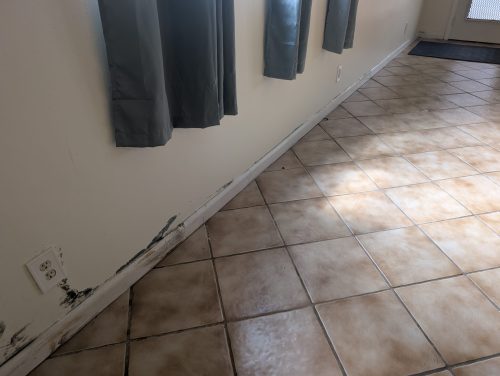
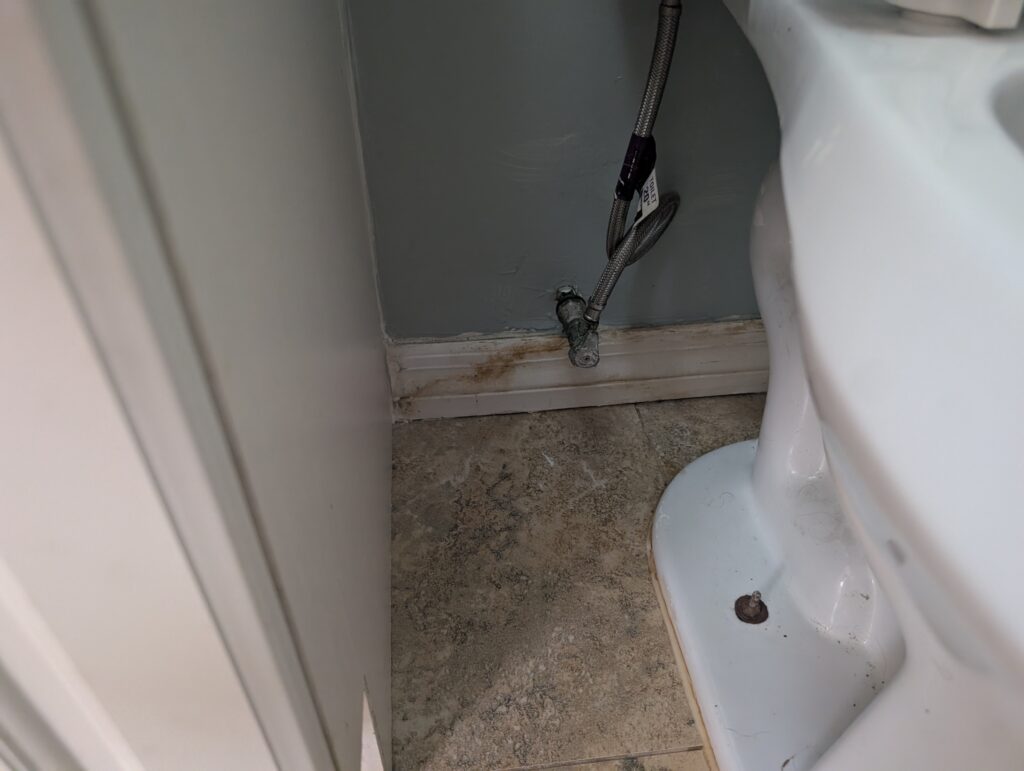
- Drywall staining or yellow/brown discoloration on ceilings and walls
- Soft or swollen baseboards, especially along exterior-facing walls
- Warped flooring or slight lifting at seams
- Musty or damp odor that wasn’t present before
- Bubbling or peeling paint after rain events
- Cabinets or vanities starting to swell at the bottom
- Damp carpet edges near walls or windows
These are not surface-level issues. They’re indicators that moisture is already inside the structure.
If ignored, that moisture continues to spread, affecting more materials and increasing the scope of repair. What starts as a small intrusion from a storm can turn into full material removal if it’s not addressed early.
In this environment, the visible signs are usually behind the actual damage. By the time you notice something, there’s often more going on underneath.
WHAT TO DO IMMEDIATELY AFTER WATER DAMAGE IN DELRAY BEACH
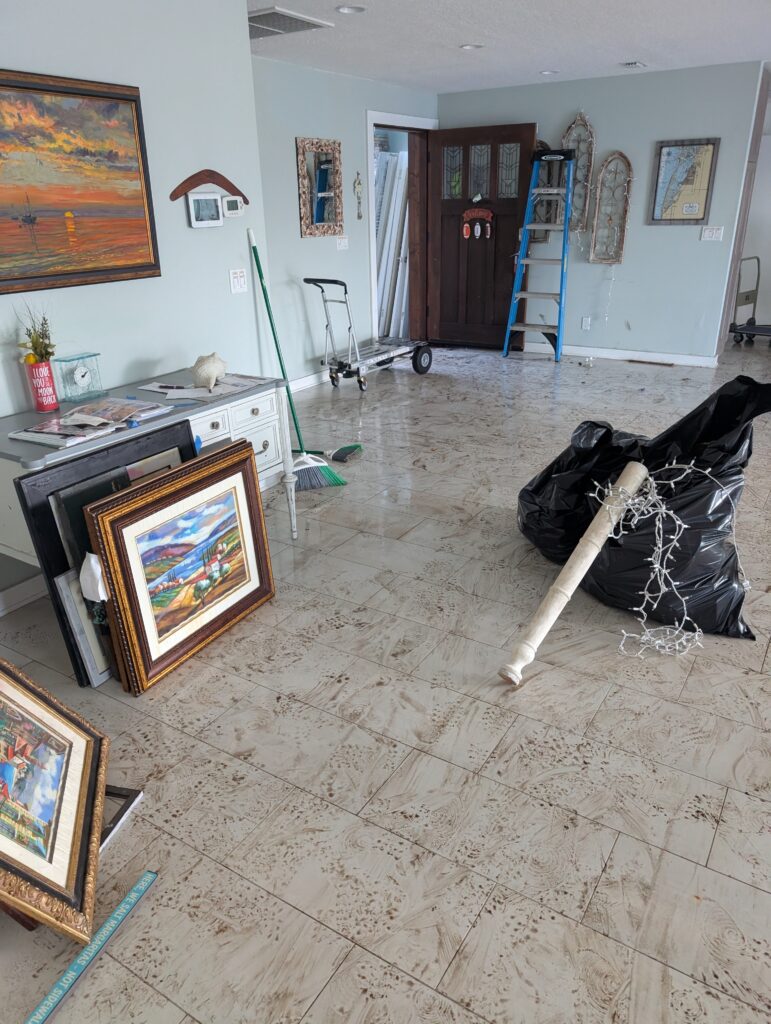
Once water enters a property in Delray Beach, the focus is stopping it from spreading. Because of the coastal humidity, materials don’t dry quickly on their own—so even a short delay can make the situation worse.
Acting early helps contain the damage and keeps the job from turning into something much bigger.
Here’s what to do right away:
- Shut off the water source if possible
- Turn off electricity in affected areas if it is safe
- Remove furniture and contents from wet areas
- Avoid using household fans or AC to dry the space
- Contact a professional water damage restoration company immediately
WHAT TO DO IMMEDIATELY AFTER WATER DAMAGE IN LAKE WORTH
When water gets into your home in Lake Worth – especially after a heavy rain or storm—you don’t have much time to react. The longer moisture sits, the deeper it moves into materials, and the harder it becomes to fully dry.
Acting quickly isn’t just helpful – it directly limits how much damage you end up dealing with.
Here’s what should be done right away:
1. Stop the source if possible
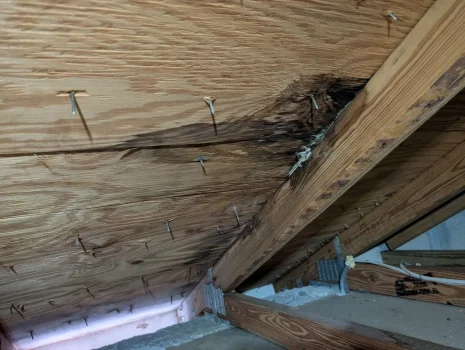
Shut off water to the area if it’s a plumbing issue. If it’s rain intrusion, identify where water is coming in (roof, window, door) and contain it as best as possible.
2. Remove standing water
Use towels, a wet vac, or anything available to start pulling water out. Even a small amount left behind can continue soaking into flooring and walls.
3. Move contents out of the affected area
Furniture, rugs, and personal items should be removed or elevated to prevent further absorption and damage.
4. Keep the area controlled — not open to outside humidity
Avoid opening windows during or after storms. In Lake Worth, outside air is often more humid, which can slow drying and make conditions worse.
5. Avoid disturbing affected materials too much
Don’t start tearing things out blindly. Improper removal can spread moisture or contamination into unaffected areas.
6. Document what you see
Photos help establish the condition before any work begins, especially for insurance
7. Call a professional quickly
The sooner proper drying equipment is set up, the better the outcome. Delays often lead to more demolition and higher repair costs.
Water from storms and flooding in Lake Worth tends to linger longer than people expect – especially in older construction where materials absorb quickly and don’t release moisture easily.
What you do in the first few hours often determines whether this stays a manageable cleanup… or turns into a full restoration project.
What Our Water Damage Service Includes
Water damage from storms in Lake Worth doesn’t stay in one place. It gets into layers – under flooring, behind walls, inside cabinetry – and if it’s not handled correctly, it keeps spreading even after the visible water is gone.
The problem most people run into is thinking once the surface looks dry, the issue is handled. It’s not. Trapped moisture continues breaking down materials and can lead to much larger repairs.
Our service is built to address that hidden moisture, not just what you can see.
Here’s how we handle it from start to finish:
Emergency Water Extraction
Extraction of standing water from floors, rooms, and affected areas to stop further absorption.
Leak Detection & Moisture Mapping
We track where water traveled – not just where it’s visible – so nothing gets missed.
Structural Drying
Placement of professional drying equipment to pull moisture out of building materials.
Targeted Material Removal
Only the materials that are actually affected are removed, keeping the scope controlled and avoiding unnecessary demolition.
Antimicrobial Application
Treatment of affected areas to reduce the risk of microbial growth after water exposure.
Monitoring & Documentation
We don’t just set equipment and leave. Drying is tracked daily and adjusted based on real readings.
If mold growth is suspected after water damage, our Mold Remediation services can help safely remove contamination and restore affected areas.
COMMON CAUSES OF WATER DAMAGE IN LAKE WORTH HOMES
In Lake Worth, most water damage calls aren’t from a single dramatic event – they come from storms exposing weak points in the home.
A typical scenario: a heavy rain rolls in and sits for hours. The roof doesn’t fully fail, but water finds its way through a small vulnerability. At the same time, wind pushes rain against windows and doors, and the ground around the home becomes saturated. Now water is coming from multiple directions, not just one.
Older homes are especially vulnerable because materials and seals have already worn down over time.
Here’s what we commonly see:
Roof leaks during heavy rain
Aging shingles, flashing issues, or small openings allow water to enter slowly and spread through ceilings and walls.
Clogged gutters and downspouts
Water overflows and runs down exterior walls, eventually working its way inside.
Poor exterior drainage
Water pools around the foundation and seeps inward, especially in ground-level areas.
Flooding from heavy storms
Low-lying areas or overwhelmed drainage systems can allow water to enter through doors or slab edges.
Window and door intrusion
Failed seals or improper installation let wind-driven rain push inside, often showing up as baseboard or flooring damage.
Slow plumbing leaks made worse by storms
Existing minor leaks can go unnoticed until added moisture from storms accelerates the damage.
In many Lake Worth homes, it’s not just one cause – it’s a combination. A small roof issue plus poor drainage plus heavy rain can all work together to create a much larger problem.
Understanding how the water got in is critical. If the source isn’t addressed, the damage will return—no matter how well the cleanup is done.
Our Water Damage Restoration Process
Handling water damage in Lake Worth requires a structured approach. Storm-related intrusion doesn’t just affect what you can see – it spreads into layers of the home and needs to be tracked and addressed methodically. Each step is designed to control the damage, remove moisture, and verify that the structure is truly dry.
1.
2.
3.
4.
5.
Inspection
Water Extraction
Drying Setup
Monitoring
Dry Standard
We determine where the water entered, how far it traveled, and which materials are affected. This sets the scope and prevents missed areas.
Standing water is removed as quickly as possible to limit absorption into flooring, drywall, and cabinetry.
Professional equipment is placed to remove moisture from structural materials – not just the air. This includes air movers and dehumidifiers positioned for proper airflow and moisture removal.
Moisture levels are checked regularly. Equipment is adjusted based on real readings to keep drying moving in the right direction.
We confirm that materials have returned to acceptable moisture levels before removing equipment. This ensures the job is actually complete.
In Lake Worth homes – especially older construction – moisture tends to hold longer inside materials. If drying isn’t verified properly, water can remain trapped and continue causing damage behind the scenes.
That’s why the final step isn’t guessing – it’s confirming.
Equipment Used for Water Damage Restoration
Drying a structure in Lake Worth isn’t about “airing it out.” After storms, the air is already saturated, and moisture is embedded inside materials—not just sitting on the surface.
Proper drying requires equipment that can pull moisture out of building materials and control the environment, not just move air around.
Here’s what we use and why it matters:
• Commercial dehumidifiers
These remove moisture from the air, which allows wet materials like drywall, wood, and flooring to release trapped water. Without this, nothing truly dries.
• Air movers (high-velocity fans)
These create controlled airflow across surfaces to accelerate evaporation from wet materials.
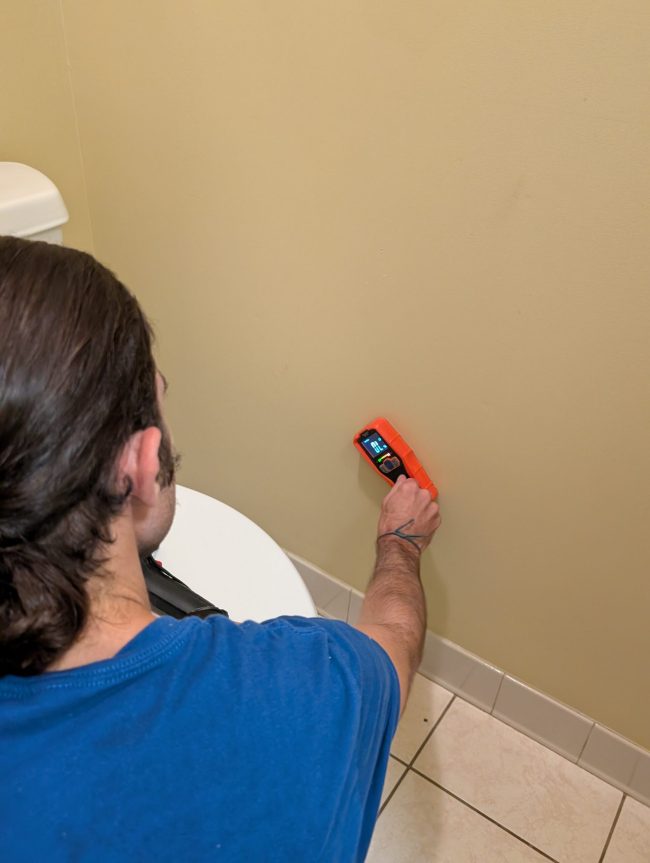
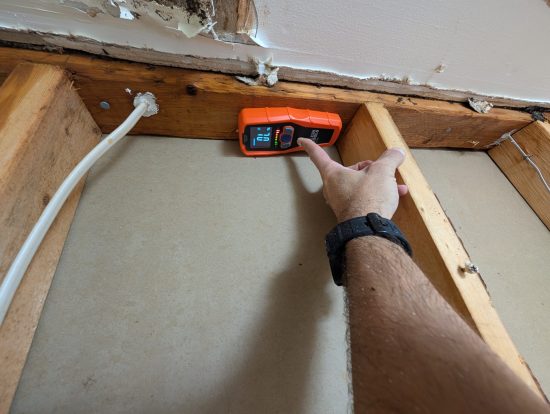
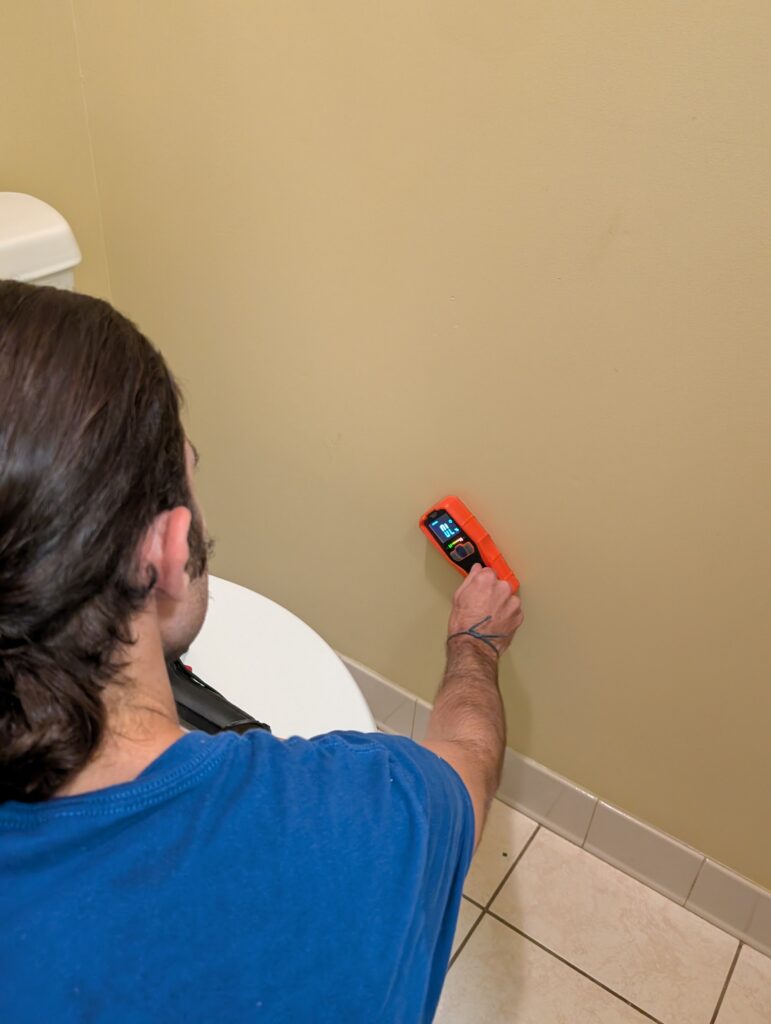
• Moisture meters and thermal imaging
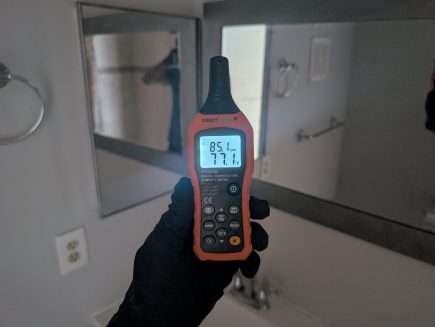
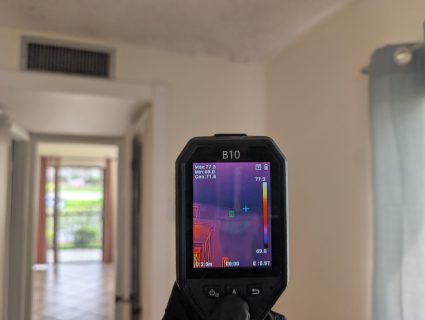
These tools locate hidden moisture behind walls, under flooring, and inside materials so nothing is overlooked.
• Extraction equipment
Vacuums and extraction tools remove standing water quickly before it has time to spread further.
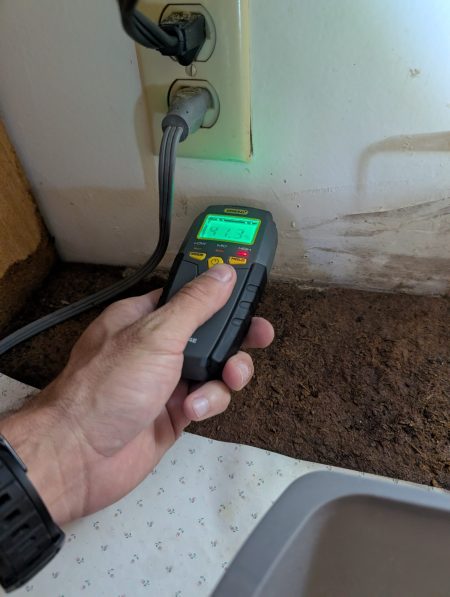
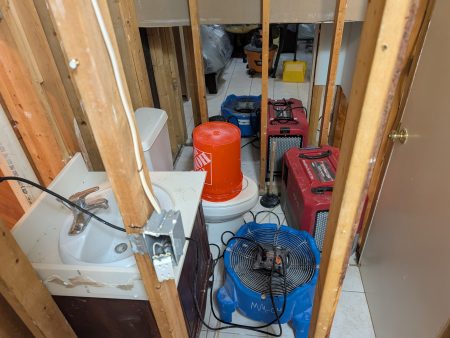
In Lake Worth conditions, especially after heavy rain, the environment is already working against you. High humidity slows natural drying and allows moisture to linger longer inside materials.
Without the right equipment setup, what looks dry on the surface often isn’t dry underneath—and that’s where problems continue.
Why Proper Drying Matters in Lake Worth
After a storm in Lake Worth, water doesn’t just sit on the surface – it soaks into materials and stays there.
Drywall, wood, and cabinetry hold moisture longer than people expect. Even when things look dry, the inside can still be wet. That’s where damage continues.
A common scenario: water comes in during heavy rain, everything gets wiped down, maybe a few fans run, and it looks fine. Then days later, baseboards swell or flooring starts lifting. The moisture never left – it just stayed hidden.
Proper drying prevents that. It removes moisture from inside materials and confirms it’s actually dry, not just visually improved.
Water Damage Repairs & Build-Back
Once drying is complete in Lake Worth, the next step is putting everything back together properly.
This part matters just as much as the drying. If repairs are rushed or done before materials are fully dry, the same issues can come back behind the new finishes.
After storm-related damage, especially in older homes, it’s common for certain materials to need replacement – not just drying.
Typical repairs include:
- Replacing drywall that was cut during demolition or damaged from moisture
- Installing new baseboards and trim where swelling or deterioration occurred
- Repairing or replacing sections of flooring affected by water intrusion
- Rebuilding or reinstalling cabinets that absorbed moisture and broke down
- Painting and finishing to restore the area to its original condition
- Drywall Repair After Water Damage
- Baseboard Replacement
- Cabinet Removal & Replacement
- Flooring Replacement
- Subfloor Repair
- Insulation Replacement
- Interior Wall Reconstruction
- Painting After Water Damage
Example Mold Remediation Project
Before, During, and After
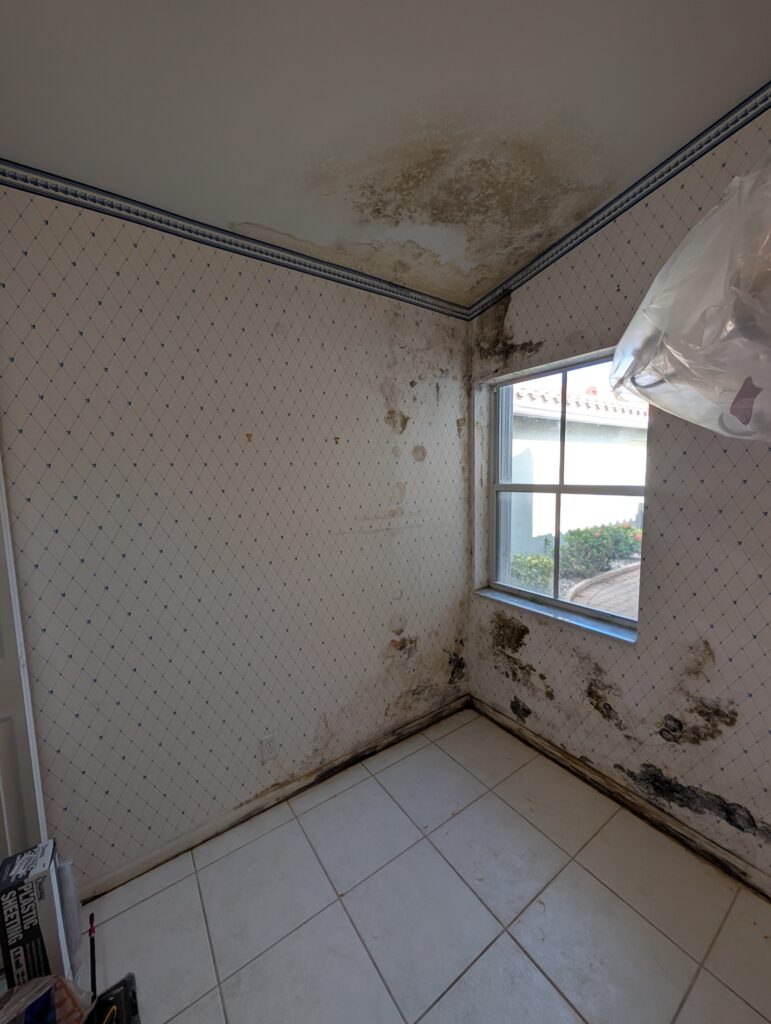
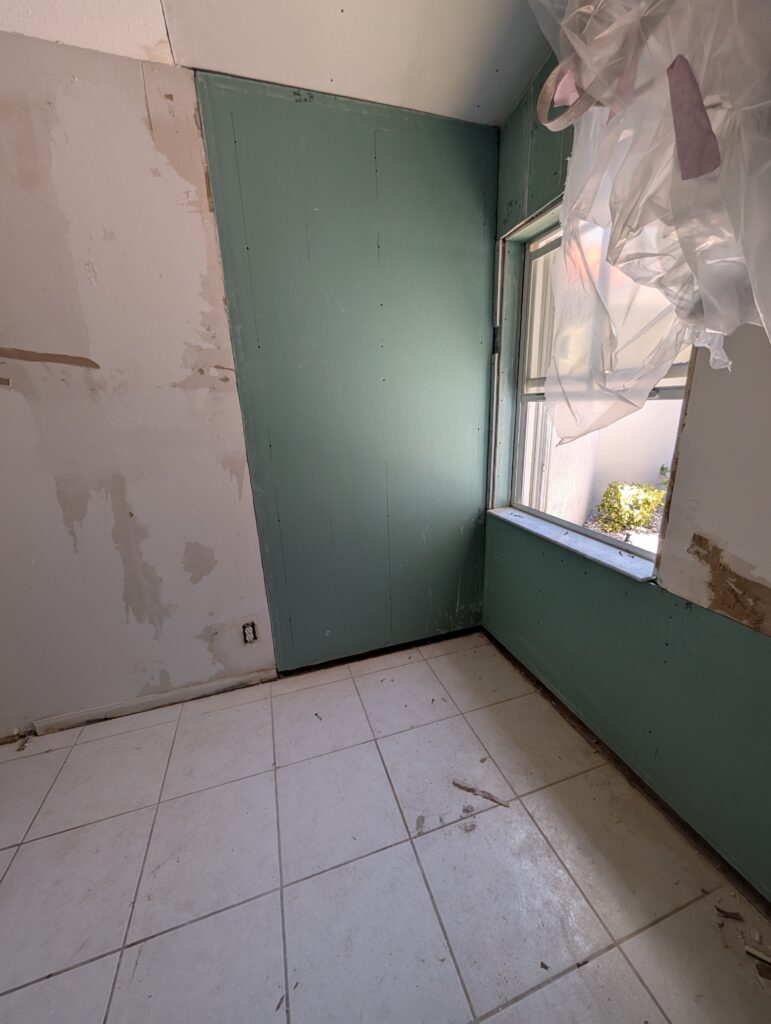
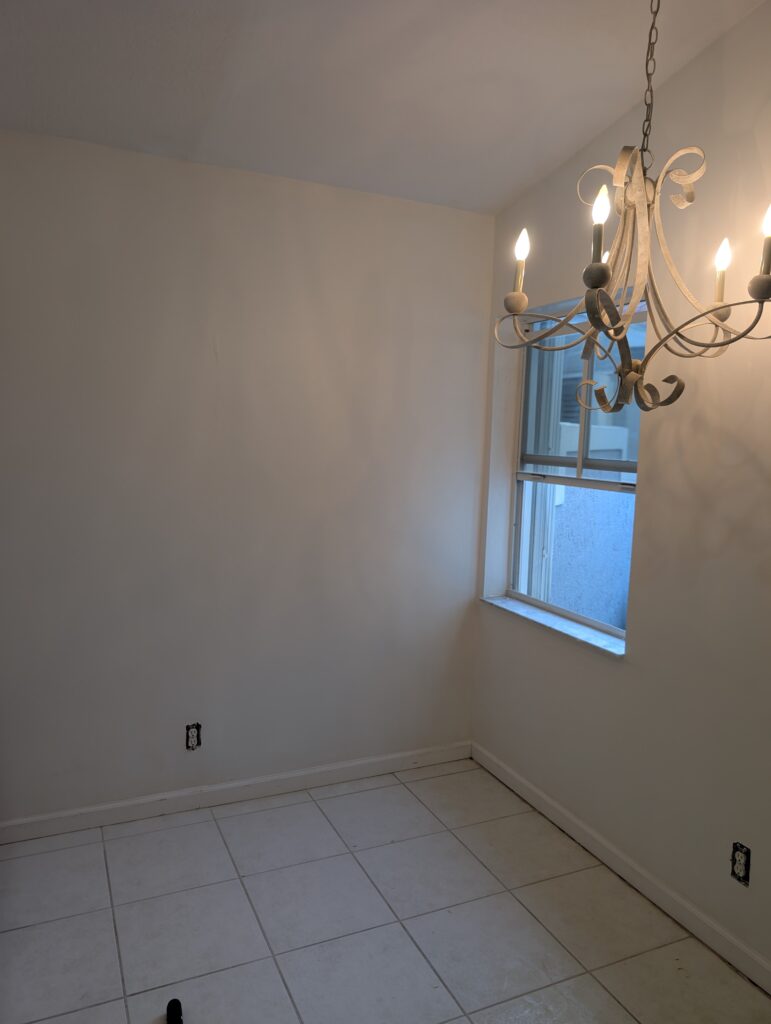
In Lake Worth homes, water often affects lower portions of walls, cabinetry, and flooring due to how rainwater enters and settles. If those materials are compromised, they need to be properly removed and rebuilt – not covered up.
The goal is simple: restore the space so it looks right and performs the way it should, without lingering issues behind the walls or under the floors.
Why Choose Us for Water Damage Restoration in Lake Worth
When water gets into a home in Lake Worth, the difference isn’t just response time—it’s how the job is handled once you’re there.
Storm-related damage and older construction require a different approach. Water doesn’t stay contained, and if you miss where it traveled, the problem isn’t solved.
That’s where most jobs fall short.
What we focus on:
Fast response when it matters
The sooner water is addressed, the less it spreads and the less damage you deal with.
Thorough moisture tracking
We don’t guess. Moisture is mapped out so affected areas are actually identified, not assumed.
Drying done correctly
Equipment is set with purpose and monitored until materials reach a dry standard.
Clean, controlled work areas
Jobs are handled in a way that limits disruption and keeps the rest of the home protected.
Straightforward communication
You know what’s happening, why it’s being done, and what to expect next.
Documentation that supports the job
Photos, readings, and records are kept throughout the process, especially when insurance is involved.
WATER DAMAGE RESTORATION IN Lake Worth
AND SURROUNDING AREAS
We handle water damage restoration across Lake Worth and the surrounding parts of Palm Beach County, with a focus on areas that regularly deal with storm-related intrusion and older construction.
That includes homes near the coast, inland neighborhoods with drainage issues, and older properties where water tends to find its way in through roofs, windows, and slab edges.
Common service areas include:
- Royal Palm Beach
- Palm Beach
- Wellington
- Lantana
- Lake Clarke Shores
- South Palm Beach
- Tequesta
- Juno Beach
- Singer Island
- Haverhill
- Riviera Beach
- Palm Springs
- Hypoluxo
- Atlantis
- Manalapan
- Ocean Ridge
- West Palm Beach
- Delray Beach
- Boynton Beach
- Palm Beach Gardens
- Jupiter
- North Palm Beach
- Greenacres
We’re already familiar with how water behaves in these areas – heavy rain, pooling around foundations, and slow intrusion that doesn’t always show up right away.
If you’re dealing with water damage anywhere around Lake Worth, we’re set up to respond quickly and handle it correctly.
Water Damage Restoration FAQs in Lake Worth
How quickly should I act after water damage?
Immediately. In Lake Worth, storm water doesn’t dry on its own. The longer it sits, the deeper it moves into materials. Acting within the first few hours can significantly reduce how much needs to be removed or replaced.
Can I just let it dry on its own?
No. With the humidity in this area, natural drying is slow and inconsistent. What looks dry on the surface is often still wet underneath, which leads to ongoing damage.
How do I know if water got behind the walls?
You usually won’t see it right away. Signs like soft baseboards, staining, or a musty smell often show up later. Moisture detection tools are needed to confirm how far it spread.
What happens if I wait a few days?
The damage expands. Materials continue absorbing moisture, and what could have been a simple drying job can turn into demolition and repairs.
Do you have to remove drywall every time?
Not always. If the material can be properly dried, it can stay. But if it’s too saturated or holding moisture, removal is necessary to prevent further damage.
How long does the drying process take?
Most jobs take about 3 to 5 days, depending on how much water entered and how far it spread. Older homes in Lake Worth can take longer because materials tend to hold moisture more.
Will my flooring need to be replaced?
It depends on the type and how much water it absorbed. Some flooring can be dried, but others – especially laminate or certain wood products – may need replacement if they swell or break down.
Does water damage always lead to mold?
Not always, but the risk increases if moisture is left behind. Proper drying and antimicrobial treatment reduce that risk significantly.
Do you work with insurance?
Yes. We document the job with photos, moisture readings, and detailed records to help support your claim.
What’s the difference between water removal and drying?
Water removal gets rid of standing water. Drying removes moisture from inside materials like walls and flooring. Both are necessary to fully resolve the problem.
Can storm water come in without obvious flooding?
Yes, and it happens often in Lake Worth. Water can enter through roofs, windows, or doors during heavy rain without creating visible standing water, but still cause significant damage inside materials.
WATER DAMAGE RESTORATION PROFESSIONALS IN LAKE WORTH
Water damage in Lake Worth doesn’t wait, and neither should you.
After heavy rain or flooding, moisture starts moving immediately. What looks like a small issue can spread into walls, flooring, and cabinetry within hours, especially in older homes.
If you’re noticing signs of water intrusion or just experienced a storm-related issue, the best move is to get it looked at before it gets worse.
Need help with water damage in Lake Worth? The next step is simple:
Contact Maxim Mitigation for professional water damage restoration services
Related Water Damage and Mold Restoration Services
Core Services
- Water Damage Restoration
- Mold Remediation
- Storm Damage Cleanup
- Flood Damage Cleanup
- List Item
- Structural Drying
- Emergency Water Extraction
Water Damage Repairs & Build-Back
- Leak Detection & Moisture Mapping
- Sewage Cleanup
Additional Restoration Services
- Drywall Repair After Water Damage
- Baseboard Replacement
- Cabinet Removal & Replacement
- Flooring Removal & Replacement
- Subfloor Repair
- Insulation Replacement
- Interior Wall Reconstruction
- Painting After Water Damage
