Water Damage Restoration in Delray Beach, FL
Water damage moves fast in Delray Beach. Between coastal humidity and salt-heavy air, moisture doesn’t dry out on its own – it spreads.
What looks like a small issue can quickly turn into damaged drywall, warped cabinets, or hidden moisture behind finishes—especially in older homes and condos near Delray Beach and around Atlantic Avenue.
The goal is simple:
Stop the damage, dry the structure properly, and prevent bigger problems.


SIGNS OF WATER DAMAGE Delray Beach Homes
The biggest issue with water damage in Delray Beach is that it often sits longer than it should. The humidity slows down evaporation, and that trapped moisture keeps affecting materials even when everything looks “mostly dry.”
That’s why damage here tends to show up late—and worse than expected.
You might not see standing water anymore, but inside walls, under floors, or behind cabinets, moisture can still be active. In coastal homes and condos, especially near Atlantic Avenue, that lingering dampness is what causes materials to break down over time.
Here’s what that usually starts to look like:
- Drywall swelling or soft spots
Water gets absorbed and expands the material, weakening it from the inside - Musty or damp odor that won’t go away
A sign moisture is still present—even if surfaces feel dry - Warped baseboards, cabinets, or flooring
Common in kitchens and bathrooms where water sits longer than expected - Paint bubbling or peeling
Moisture pushes outward, breaking the bond between paint and surface - Staining or discoloration on walls or ceilings
Often shows up after the water has already spread - Flooring lifting or separating
Especially in laminate or engineered wood, where moisture gets trapped underneath - Recurring issues after a “dry” cleanup
Usually means the structure was never fully dried
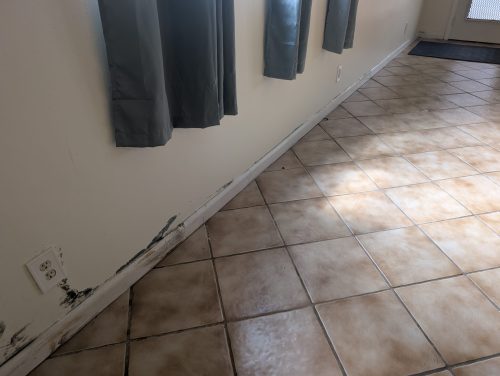
- Drywall swelling or soft spots
Water gets absorbed and expands the material, weakening it from the inside - Musty or damp odor that won’t go away
A sign moisture is still present—even if surfaces feel dry - Warped baseboards, cabinets, or flooring
Common in kitchens and bathrooms where water sits longer than expected - Paint bubbling or peeling
Moisture pushes outward, breaking the bond between paint and surface - Staining or discoloration on walls or ceilings
Often shows up after the water has already spread - Flooring lifting or separating
Especially in laminate or engineered wood, where moisture gets trapped underneath - Recurring issues after a “dry” cleanup
Usually means the structure was never fully dried
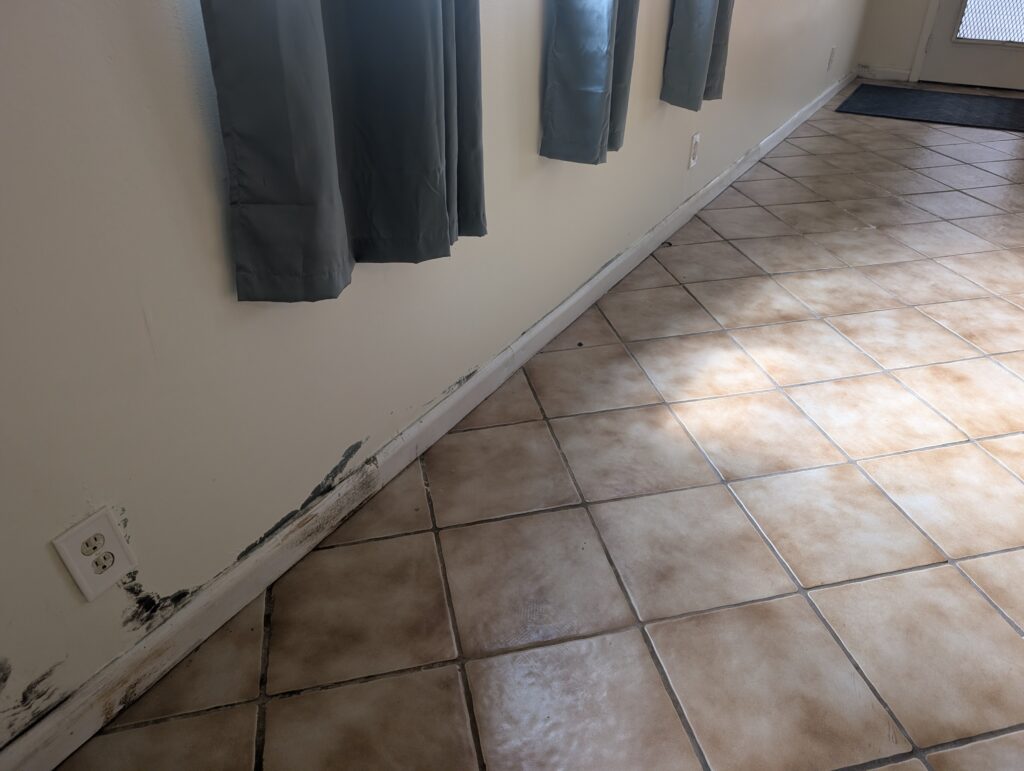
In this environment, the visible signs are usually behind the actual damage. By the time you notice something, there’s often more going on underneath.
WHAT TO DO IMMEDIATELY AFTER WATER DAMAGE IN DELRAY BEACH
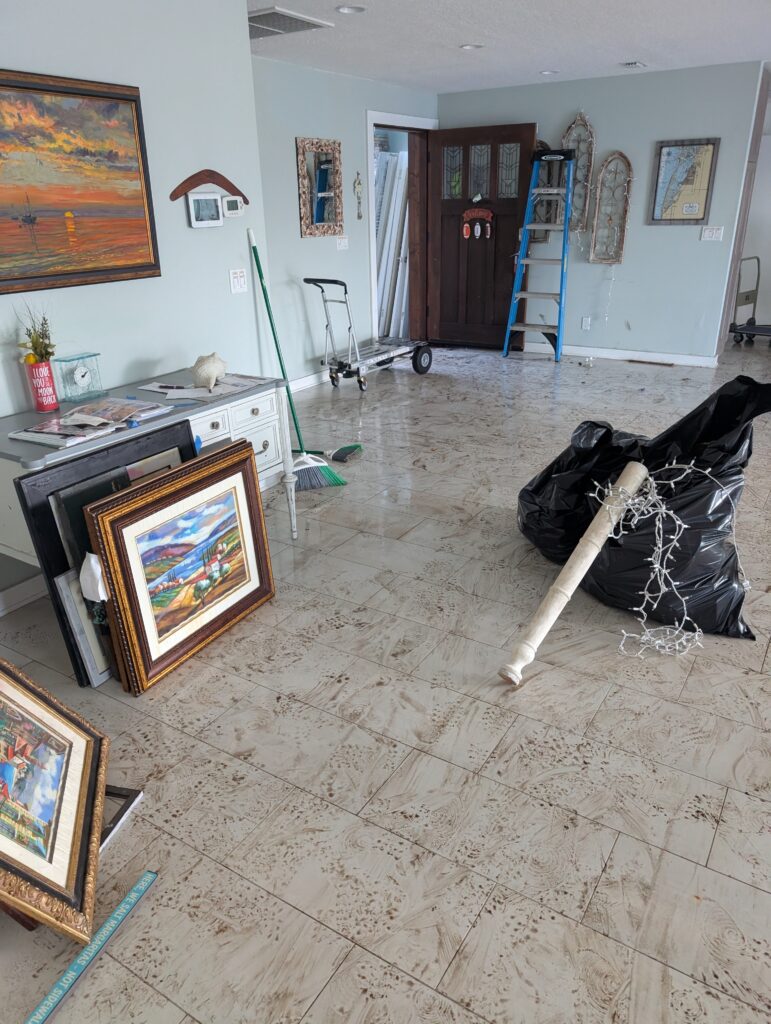
Once water enters a property in Delray Beach, the focus is stopping it from spreading. Because of the coastal humidity, materials don’t dry quickly on their own—so even a short delay can make the situation worse.
Acting early helps contain the damage and keeps the job from turning into something much bigger.
Here’s what to do right away:
- Shut off the water source if possible
- Turn off electricity in affected areas if it is safe
- Remove furniture and contents from wet areas
- Avoid using household fans or AC to dry the space
- Contact a professional water damage restoration company immediately
WHAT TO DO IMMEDIATELY AFTER WATER DAMAGE IN DELRAY BEACH
Once water enters a property in Delray Beach, the focus is stopping it from spreading. Because of the coastal humidity, materials don’t dry quickly on their own – so even a short delay can make the situation worse.
Acting early helps contain the damage and keeps the job from turning into something much bigger.
Here’s what to do right away:
1. Stop the water source
Shut off the main line or isolate the leak so the problem doesn’t continue feeding itself
2. Shut down power where needed
If water is near outlets, appliances, or panels, cut power to that area for safety
3. Move what you can
Get furniture, rugs, and belongings out of affected areas to prevent further absorption
4. Limit foot traffic
Walking through wet areas spreads moisture into dry sections and makes cleanup harder
5. Skip the “air it out” approach
Fans and AC alone won’t remove moisture properly in this climate—they often just move humid air around
6. Document what you see
Photos help establish the condition before any work begins, especially for insurance
7. Get professional help early
Proper drying requires equipment and moisture tracking—not just surface cleanup
In Delray Beach conditions, time isn’t just important—it directly affects how invasive the job becomes.
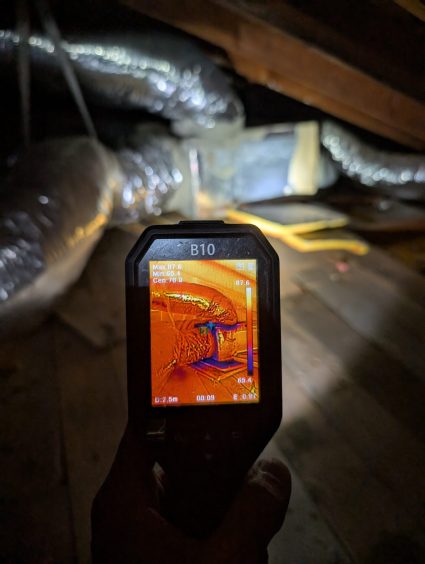
What Our Water Damage Service Includes
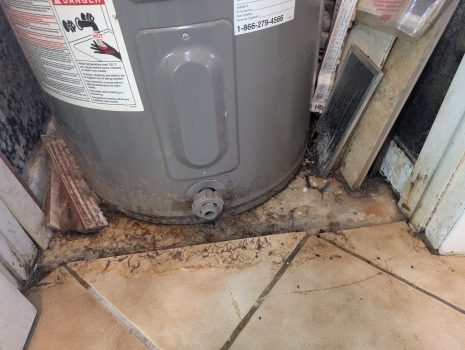
A typical situation in Delray Beach looks like this: a slow leak under a sink or behind a water heater goes unnoticed. The surface might not look bad at first, but underneath, moisture has already spread into the flooring and surrounding materials.
Because of the coastal humidity, that moisture doesn’t dry out – it lingers, expands, and starts affecting anything it touches. That’s where a structured approach matters.
Here’s how we handle it from start to finish:
Emergency Water Extraction
We remove any standing water and pull out as much moisture as possible right away to stop further spread.
Leak Detection & Moisture Mapping
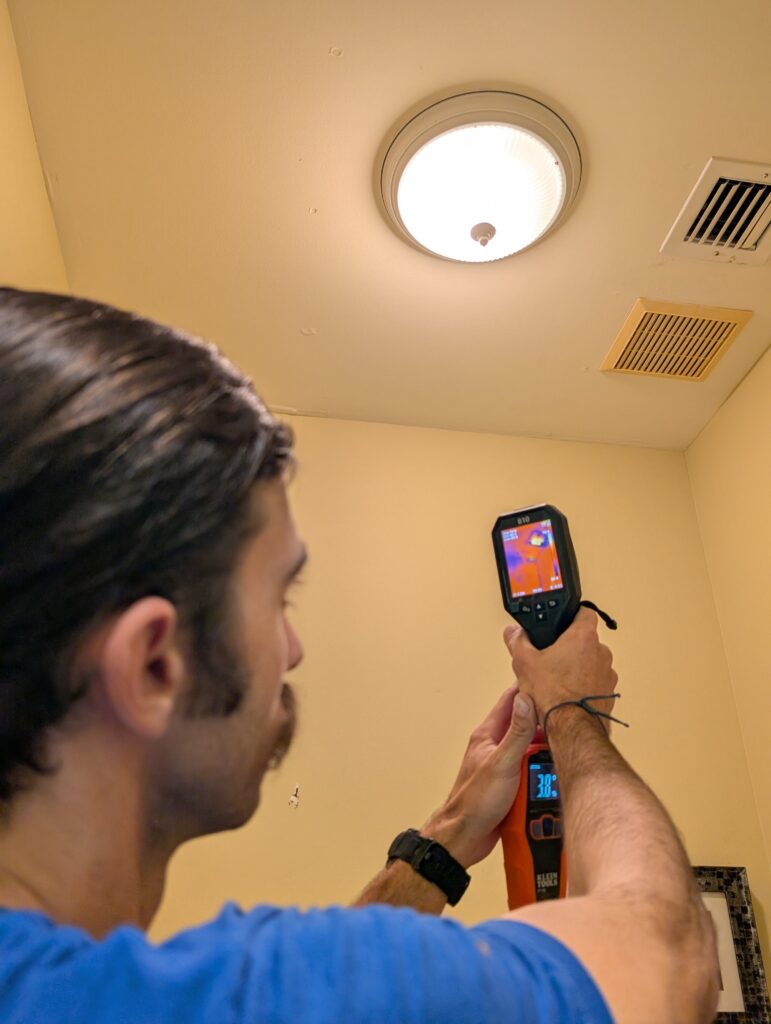
We identify the source and track how far the water has traveled—even into areas that aren’t visibly damaged.
Structural Drying
Drying equipment is placed based on the layout and materials to properly remove moisture from the structure—not just the surface.
Targeted Material Removal
Only the materials that are actually affected are removed, keeping the scope controlled and avoiding unnecessary demolition.
Antimicrobial Application
Affected areas are treated to reduce the risk of issues developing from moisture that has been sitting.
Monitoring & Documentation
We track drying progress, make adjustments as needed, and document everything clearly throughout the job.
If mold growth is suspected after water damage, our Mold Remediation services can help safely remove contamination and restore affected areas.
COMMON CAUSES OF WATER DAMAGE IN DELRAY BEACH HOMES
In Delray Beach, water damage is less about the initial leak and more about what happens after. The coastal humidity slows down evaporation, and that trapped moisture continues working into materials long after the source is gone.
This is especially true in East Delray homes and condos near Atlantic Avenue, where salt air, older construction, and renovations create more places for moisture to hide and linger.
Here are the most common causes we see in this area:
Slow Plumbing Leaks Behind Finishes
In renovated kitchens and bathrooms, leaks often stay hidden behind cabinets, tile, or drywall – allowing moisture to build up without being noticed.
Water Heater Leaks in Tight Spaces
Closets and enclosed areas trap humidity, so even a small leak can keep surrounding materials damp for extended periods.
AC Drain Line Overflows
Very common in South Florida. When these back up, water can spread into walls or ceilings – and stay wet due to the environment.
Moisture Trapped Behind Renovated Finishes
Tile, cabinets, and flooring can seal in moisture from previous or ongoing leaks, allowing damage to continue out of sight.
Salt Air Deteriorating Plumbing Components
Near the coast, salt exposure accelerates corrosion on fittings and connections, increasing the likelihood of leaks.
Condo Water Intrusion Between Units
In multi-unit buildings, water can travel between floors and walls, making the source harder to identify and the damage more widespread.
In Delray Beach, it’s not uncommon for the source to be small – but the impact to be much larger due to how long moisture sticks around.
Our Water Damage Restoration Process
1.
2.
3.
4.
5.
Inspection
Water Extraction
Drying Setup
Monitoring
Dry Standard
We begin by identifying the source and mapping out where the moisture has traveled. This includes checking behind walls, under flooring, and around adjacent areas – not just what’s visible.
If water is still present, it’s removed immediately. The goal here is to stop further absorption into materials before moving into the drying phase.
Air movers and dehumidifiers are placed based on the structure and affected materials. In Delray Beach, this step is critical – humidity slows natural drying, so equipment has to be positioned correctly to be effective.
We return to track moisture levels and adjust the setup as needed. Drying isn’t instant, and without monitoring, areas can stay wet longer than expected.
The job isn’t finished until materials reach an acceptable dry level. That means confirming the structure is actually dry – not just that it looks dry on the surface.
In this environment, skipping steps or rushing the process is what leads to repeat damage. The structure has to be fully dried, or the problem continues behind the scenes.
Professional Structural Drying Equipment
Drying a property in Delray Beach isn’t as simple as setting up a few fans. The coastal humidity works against you – moisture stays suspended in the air and slows down the evaporation process. Without the right equipment, materials can stay damp even when they feel dry to the touch.
That’s why each piece of equipment serves a specific role. It’s not about how much equipment is used – it’s about how it’s used together.
Here’s what goes into a proper drying setup:
• Commercial Dehumidifiers & Air Movers
These work together. Air movers pull moisture out of materials, and dehumidifiers remove that moisture from the air. Without both working properly, humidity levels stay too high and drying slows down.
• Moisture Detection Equipment
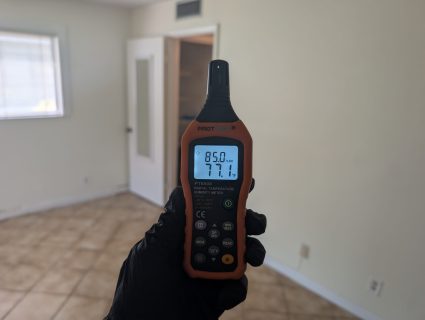
Meters and thermal imaging are used to locate and measure moisture inside materials. This helps identify areas that aren’t visibly affected but are still holding moisture.
• Strategic Equipment Placement
Equipment isn’t placed randomly. It’s positioned based on airflow, material type, and how moisture is moving through the structure – especially important in coastal conditions where drying is slower.
• Ongoing Moisture Monitoring
Moisture levels are checked throughout the process. Adjustments are made as needed to ensure materials are actually drying, not just appearing dry on the surface.
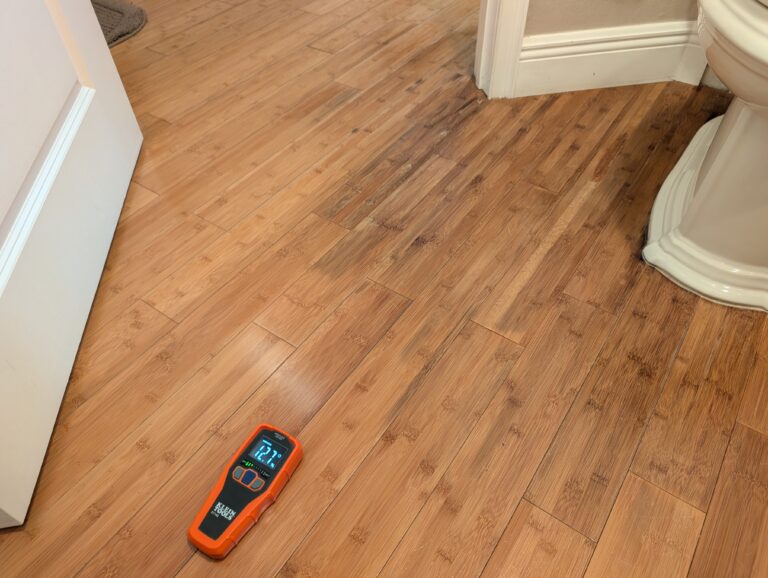
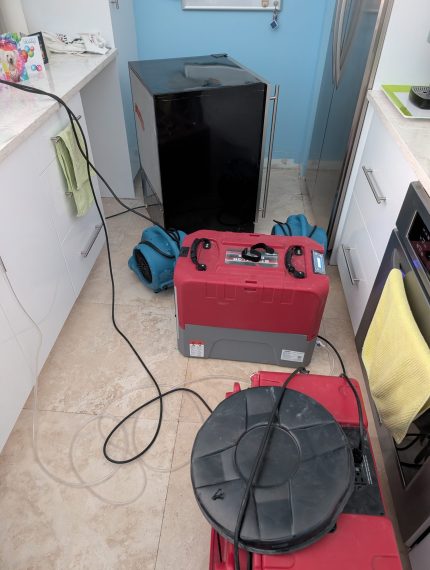
In Delray Beach, proper drying is controlled—not assumed. The equipment only works if it’s used with a clear plan.
Why Proper Drying Matters in Delray Beach
The problem in Delray Beach isn’t just water – it’s what stays behind after it seems gone. Because of the coastal humidity, moisture doesn’t leave materials quickly. It sits inside drywall, under flooring, and behind cabinets, continuing to affect the structure even when everything looks normal on the surface.
That’s where issues start to build. Materials begin to weaken, odors develop, and damage spreads beyond the original area. What could have been a controlled dry-out turns into a larger repair because the structure was never fully dried. In this environment, surface drying isn’t enough – the moisture inside the materials has to be removed, or the problem continues behind the scenes.
Water Damage Repairs & Build-Back
Once the structure is fully dried, the focus shifts to putting everything back together the right way. In Delray Beach, this step matters just as much as the drying itself – because repairs done too early or without confirming dry conditions can lead to the same problem showing up again.
The goal is to restore the property to its original condition while making sure no moisture is left behind in the materials being rebuilt over.
- Drywall Repair After Water Damage
- Baseboard Replacement
- Cabinet Removal & Replacement
- Flooring Replacement
- Subfloor Repair
- Insulation Replacement
- Interior Wall Reconstruction
- Painting After Water Damage
Example Mold Remediation Project
Before, During, and After
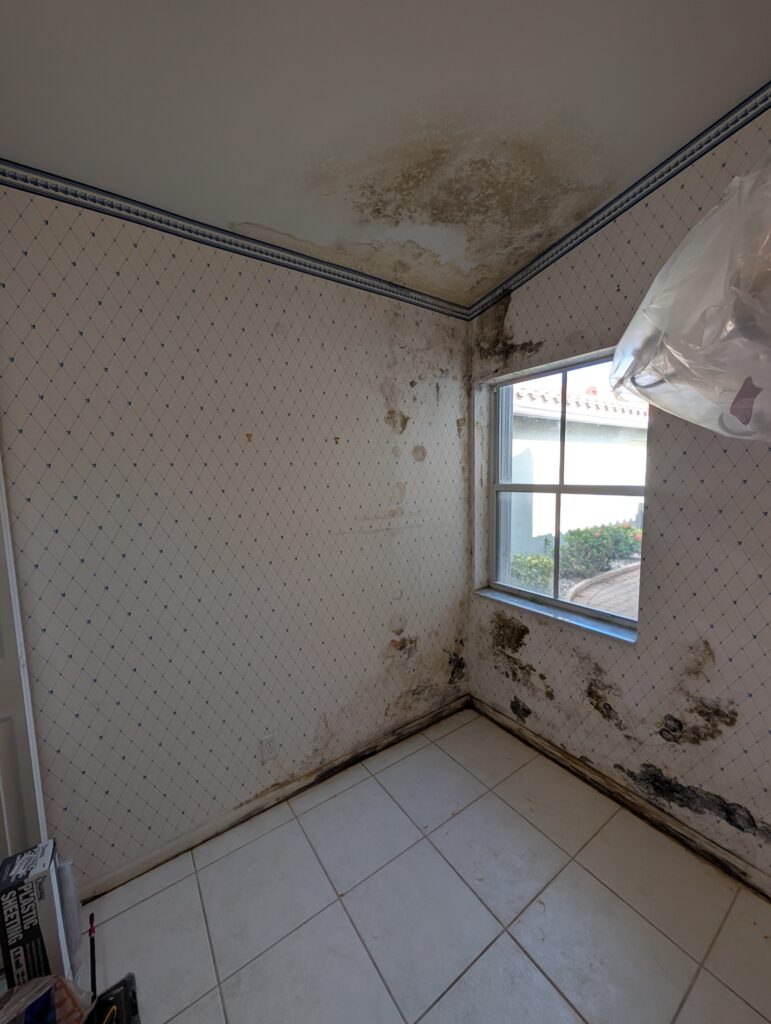
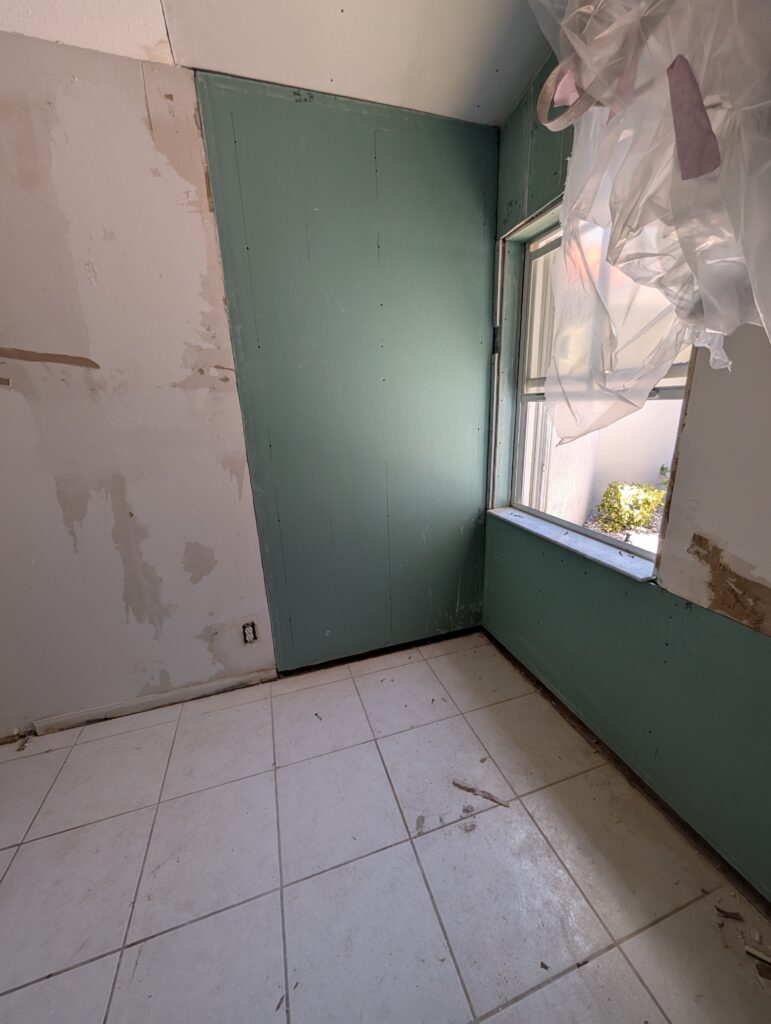
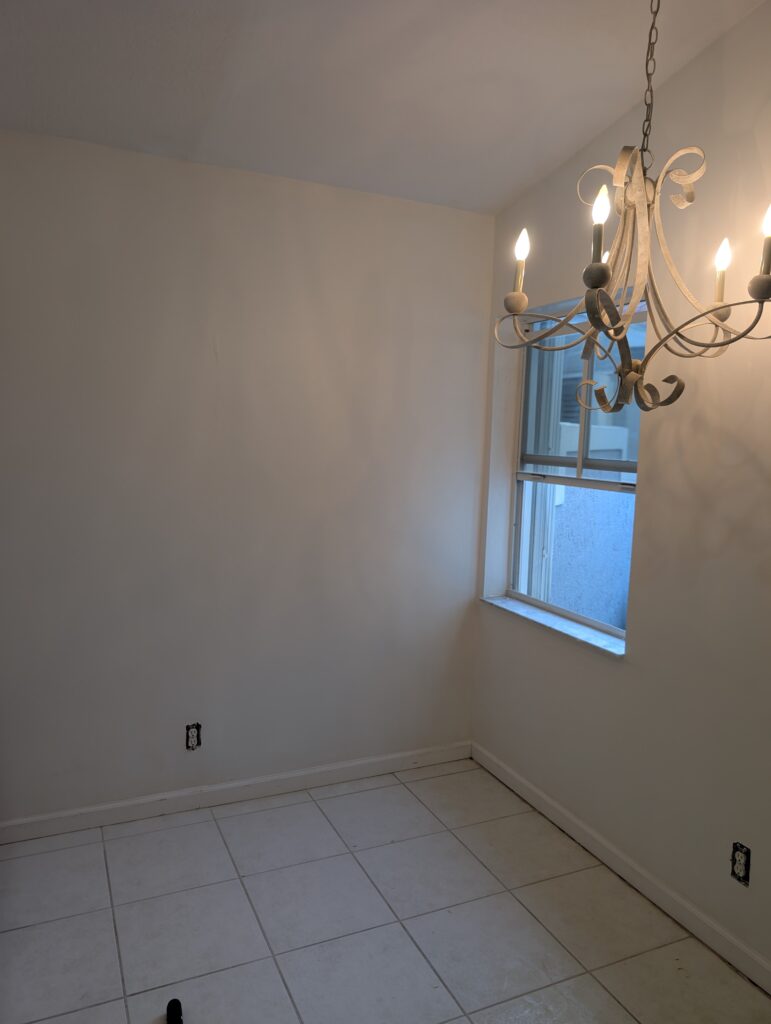
In Delray Beach homes – especially renovated properties—it’s important that repairs are done after proper drying, not during. Otherwise, moisture can get sealed back in, leading to future damage behind newly finished surfaces.
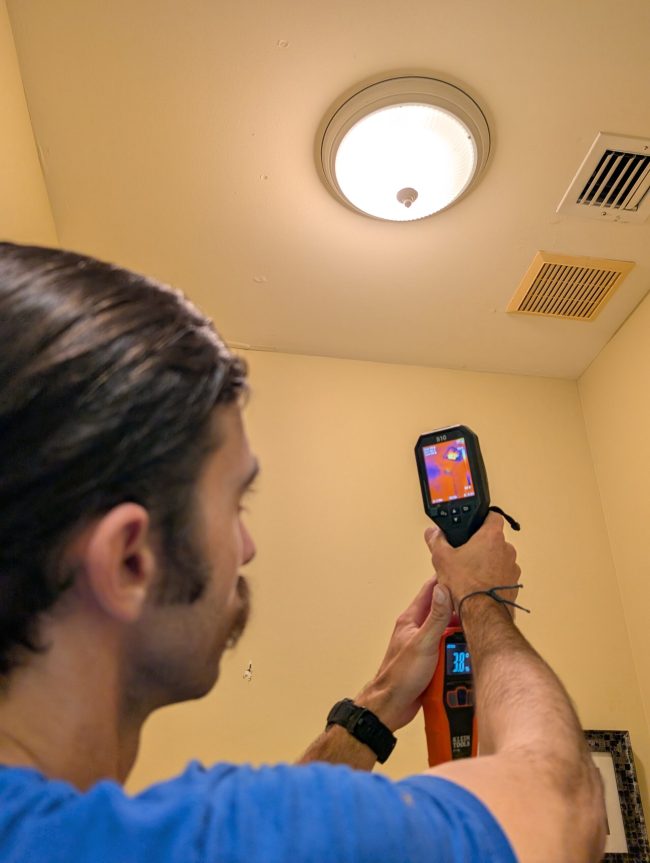
Why Homeowners Choose Maxim Mitigation
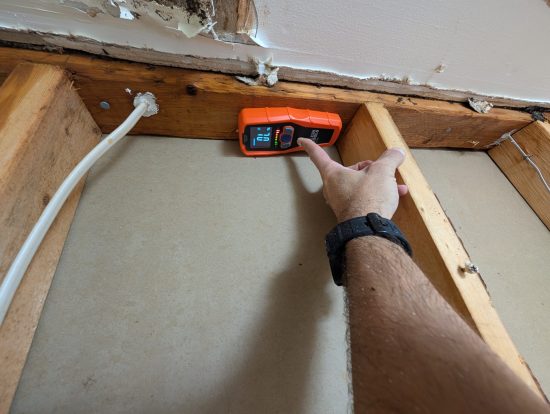
When water damage happens, most homeowners aren’t comparing companies – they’re trying to figure out who will actually handle the situation correctly the first time. In Delray Beach, where moisture lingers and problems can come back if not handled properly, that decision matters more.
What sets us apart is how the job is approached. We’re not just removing water – we’re identifying how far it traveled, drying the structure fully, and making sure nothing is left behind to cause issues later.
Here’s what that looks like in practice:
Focused on the Full Extent of Damage
We don’t stop at what’s visible. Moisture is tracked into adjacent areas, behind finishes, and under materials so nothing is missed.
Structured, Step-by-Step Process
Each job follows a clear sequence – from extraction to drying to verification – so the work is controlled, not rushed.
Built for Delray Beach Conditions
Coastal humidity changes how materials dry. Equipment placement and drying strategy are adjusted specifically for this environment.
Clear Communication Throughout the Job
You know what’s happening, what’s next, and what to expect – no guessing or vague timelines.
Clean, Controlled Work Areas
Containment and organization keep the job from spreading into unaffected parts of the home.
Documentation That Holds Up
Photos, moisture readings, and job records are documented clearly – especially important if insurance is involved.
WATER DAMAGE RESTORATION IN DELRAY BEACH
AND SURROUNDING AREAS
We provide water damage restoration throughout Delray Beach, with a strong focus on coastal properties, older homes, and condo buildings where moisture issues tend to be more complex.
From properties near Atlantic Avenue to neighborhoods in East Delray closer to the water, we’re familiar with how local conditions affect drying, materials, and overall damage spread. Whether it’s a single-family home, townhome, or multi-unit building, the approach is adjusted based on the structure and environment.
AREAS WE SERVICE AROUND DELRAY BEACH:
- Royal Palm Beach
- Palm Beach
- Wellington
- Lantana
- Lake Clarke Shores
- South Palm Beach
- Tequesta
- Juno Beach
- Singer Island
- Haverhill
- Riviera Beach
- Palm Springs
- Hypoluxo
- Atlantis
- Manalapan
- Ocean Ridge
- West Palm Beach
- Lake Worth
- Boynton Beach
- Palm Beach Gardens
- Jupiter
- North Palm Beach
- Greenacres
If you’re unsure whether your property falls within our service range, just call – we typically cover the entire Delray Beach area and nearby cities throughout Palm Beach County.
Water Damage Restoration FAQs
How quickly should I act after water damage?
Immediately. In Delray Beach, moisture doesn’t dry out on its own because of the humidity. Even a small delay allows water to spread into surrounding materials like drywall, flooring, and cabinetry. Acting early can significantly reduce how much needs to be removed or repaired.
Can I just use fans or AC to dry it out?
Not effectively. Fans and AC may dry the surface, but they don’t remove moisture from inside materials. In coastal conditions, they often just circulate humid air. Proper drying requires dehumidification and controlled airflow to actually pull moisture out of the structure.
How do I know if the area is fully dry?
You can’t determine that visually or by touch. Materials can feel dry on the outside while still holding moisture inside. Moisture meters and readings are used to confirm when materials reach a proper dry standard, ensuring the issue is actually resolved.
Do you have to remove drywall and materials?
Not always. If the issue is caught early, some materials can be dried in place. However, if moisture has been sitting – especially in Delray Beach’s humid environment – affected sections may need to be removed to prevent further deterioration and hidden damage.
Is water damage worse in coastal areas like Delray Beach?
Yes. Coastal humidity slows evaporation, and salt air can contribute to material breakdown and corrosion. This combination allows moisture to linger longer and spread further, making proper drying more critical.
What happens if water damage isn’t handled properly?
The problem doesn’t stop – it continues behind the surface. Materials weaken, odors develop, and damage can spread into adjacent areas. In many cases, issues return later and require more extensive repairs than if handled correctly the first time.
Do you work with insurance?
Yes. We document the entire process with photos, moisture readings, and detailed records. This helps provide a clear timeline of the damage and the work performed, which is important when dealing with insurance claims.
What’s the difference between water removal and full restoration?
Water removal is just the initial step of extracting standing water. Full restoration includes drying, monitoring, and repairing the affected areas. Without completing the full process, moisture can remain and lead to ongoing issues.
Can water travel to other areas of the home or building?
Yes. Proper mitigation prevents additional structural damage, reduces the risk of mold, and helps avoid more expensive repairs later. Addressing it early is almost always more cost-effective than waiting.
How long does the drying process usually take?
Most drying processes take 3-5 days, but the exact timeline depends on how long the water was present and how far it spread. In Delray Beach, humidity can extend drying time, which is why monitoring is necessary throughout the process.
Is it safe to stay in the home during the process?
In many situations, yes. It depends on the extent of the damage and which areas are affected. We’ll walk you through what areas are safe to use and what to avoid while the drying process is underway.
WATER DAMAGE RESTORATION PROFESSIONALS IN DELRAY BEACH
Water damage doesn’t slow down on its own – especially in Delray Beach. The longer moisture sits, the more it spreads into the structure and increases the scope of repairs. Acting early is what keeps the situation controlled.
At Maxim Mitigation, the focus is straightforward: identify the full extent of the damage, dry the structure properly, and prevent the problem from coming back. Whether it’s a leak that’s been sitting for days or a sudden issue that just happened, the response is built to handle Delray Beach conditions.
Need help with water damage in Delray Beach? The next step is simple:
Contact Maxim Mitigation for professional water damage restoration services
Related Water Damage and Mold Restoration Services
Core Services
- Water Damage Restoration
- Mold Remediation
- Storm Damage Cleanup
- Flood Damage Cleanup
- List Item
- Structural Drying
- Emergency Water Extraction
Water Damage Repairs & Build-Back
- Leak Detection & Moisture Mapping
- Sewage Cleanup
Additional Restoration Services
- Drywall Repair After Water Damage
- Baseboard Replacement
- Cabinet Removal & Replacement
- Flooring Removal & Replacement
- Subfloor Repair
- Insulation Replacement
- Interior Wall Reconstruction
- Painting After Water Damage
